



5 Secrets to Creating Corporate Events That Leave a Lasting Impression
Last Updated: 2 years ago by Astral Studios Staff
Corporate events are a powerful tool for businesses to connect with their stakeholders, build relationships, and promote their brand. But what makes a corporate event truly successful?
What Are the Key Elements of Successful Corporate Events?
- Clear goals and objectives: What do you want to achieve with your event? Are you looking to generate leads, build brand awareness, or launch a new product? Once you know your goals, you can start to develop a strategy for your event.
- A well-defined target audience: Who are you trying to reach with your corporate events? What are their interests and needs? Once you know your target audience, you can tailor your events to their specific interests.
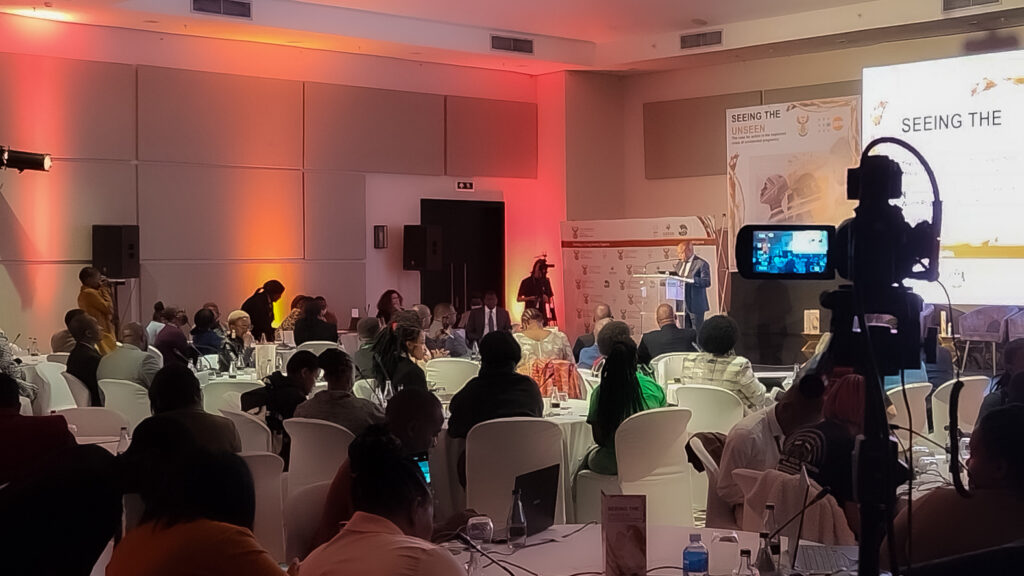
- A unique and engaging event concept: What will make your event stand out from the crowd? What will make people want to attend? Your event concept should be creative and engaging, and it should be aligned with your goals and objectives.
- A well-planned agenda: Your event agenda should be well-organized and easy to follow. It should include a variety of activities and sessions that will appeal to your target audience.
- High-quality speakers and content: The speakers and content at your corporate events should be of the highest quality. They should be experts in their field and able to deliver engaging and informative presentations.
- A professional and polished presentation: Your event should be presented in a professional and polished manner. This includes the venue, the décor, and the staff.
- Opportunities for networking: Your corporate events should provide ample opportunities for networking. This could include receptions, breakout sessions, and social events.
- Measurement and evaluation: It’s important to measure the success of your event and identify areas for improvement. This could involve tracking key metrics such as attendance, engagement, and lead generation.
By hosting corporate events, businesses harness a powerful tool to strengthen relationships with stakeholders, cultivate a sense of community, and amplify their brand’s reach. But what makes a corporate event truly memorable? How can you create an event that leaves a lasting impression on your guests?
The answer lies in the details. From the planning stages to the execution, every aspect of your event should be carefully considered to ensure that it meets your objectives and exceeds the expectations of your guests.
5 Secrets to Creating Corporate Events That Leave a Lasting Impression
1. Define Your Event Goals and Objectives
The first step in planning corporate events is to define your goals and objectives. What do you want to achieve with this event? Are you looking to generate leads, build brand awareness, or launch a new product? Once you know your goals, you can start to develop a strategy for your event.
For example, if your goal is to generate leads, you will need to focus on creating an event that will attract your target audience. This may involve choosing a relevant topic, offering valuable content, and providing opportunities for networking.
2. Create a Compelling Event Experience
Your event should be more than just a meeting or a presentation. It should be an experience that your guests will remember long after it’s over. To create a compelling event experience, focus on the following:
- Develop a unique and engaging event concept. This could involve choosing a unique venue, offering interactive activities, or incorporating storytelling into your presentations.
- Use storytelling and emotional appeals to connect with your audience. People are more likely to remember and engage with stories than with facts and figures. Use storytelling to share your company’s story, to highlight your products or services, or to inspire your audience.
- Incorporate interactive elements and experiential activities. This could involve offering hands-on demonstrations, hosting workshops, or creating opportunities for networking.
3. Personalize Your Corporate Events for Your Audience
Your events should be tailored to the specific interests and needs of your audience. To personalize your events, consider the following:
- Use data and insights to understand your audience. This could involve conducting surveys, reviewing your CRM data, or using social media listening tools.
- Offer customized experiences and opportunities for networking. This could involve offering different tracks for different audience segments, providing opportunities for one-on-one meetings, or hosting networking receptions.
- Create a memorable atmosphere and provide exceptional customer service. This could involve choosing a venue that reflects your brand, providing comfortable seating and amenities, and offering attentive and friendly service.
4. Pay Attention to Every Detail
Every detail of your event should be carefully considered, from the venue to the food and beverage. By paying attention to the details, you can create an event that is both professional and polished.
Some specific details to consider include:
- The venue: Choose a venue that is the right size for your event and that reflects your brand. Make sure the venue is accessible and has adequate parking.
- The food and beverage: The food and beverage you serve should be of high quality and reflect your event’s theme. Consider offering a variety of options to accommodate different dietary needs.
- The décor: The décor of your event should be consistent with your brand and the overall tone of the event. Use colors, lighting, and other elements to create a memorable atmosphere.
- The staff: The staff at your event should be friendly, helpful, and professional. Make sure they are well-trained and knowledgeable about your event.
5. Measure Your Event Success and Iterate
Once your event is over, it’s important to measure its success and identify areas for improvement. To measure your event success, track key metrics such as attendance, engagement, and lead generation. Use the insights from your evaluation to enhance future events.
Some specific metrics to track include:
- Attendance: How many people attended your event?
- Engagement: How engaged were your attendees? Did they participate in activities, ask questions, and network with each other?
- Lead generation: How many leads did you generate at your event?
By tracking these metrics, you can get a clear picture of your event’s success and identify areas for improvement.
Conclusion
Creating a corporate event that leaves a lasting impression is not easy, but it is possible. By following these five secrets, you can plan and execute an event that will meet your objectives and exceed the expectations of your guests.
Are you planning a corporate event in Johannesburg? Astral Studios is the ideal corporate event staging and production partner. We have the experience and expertise to help you create an event that will leave a lasting impression on your guests. Contact us today to learn more about our services.
Frequently Asked Questions About Planning Corporate Events
Q: What are the most important factors to consider when planning corporate events?
A: The most important factors to consider when planning corporate events are your goals and objectives, your audience, and your budget.
Q: How can I create a compelling event experience?
A: You can create a compelling event experience by developing a unique and engaging event concept, using storytelling and emotional appeals to connect with your audience, and incorporating interactive elements and experiential activities.
Q: How can I personalize my event for my audience?
A: You can personalize your event for your audience by using data and insights to understand your audience, offering customized experiences and opportunities for networking, and creating a memorable atmosphere and providing exceptional customer service.
Q: What are some tips for paying attention to every detail of my event?
Some tips for paying attention to every detail of your event include planning early, creating a detailed event timeline, and hiring a professional event planner.
Q: How can I measure the success of my corporate events?
You can measure the success of your events by tracking key metrics such as attendance, engagement, and lead generation.

