



Corporate Advertising Trends for 2024: Stay Ahead of the Curve
Last Updated: 2 years ago by Astral Studios Staff
The advertising industry is always changing, influenced by new technologies and shifting consumer preferences. To succeed in the competitive market of 2024, businesses must stay ahead of the curve. This article examines the latest trends in corporate advertising, emphasizing the need to embrace innovation and meet evolving consumer expectations.
What is Corporate Advertising?
Corporate advertising promotes a company as a whole to boost its brand image, reputation, and visibility.
The goal of corporate advertising is to create a positive perception of the company and establish credibility.
It also communicates the company’s values and mission and helps to builds a strong brand identity.
Corporate advertising often highlights values like social responsibility, sustainability, and innovation.
Immersive and Interactive Experiences
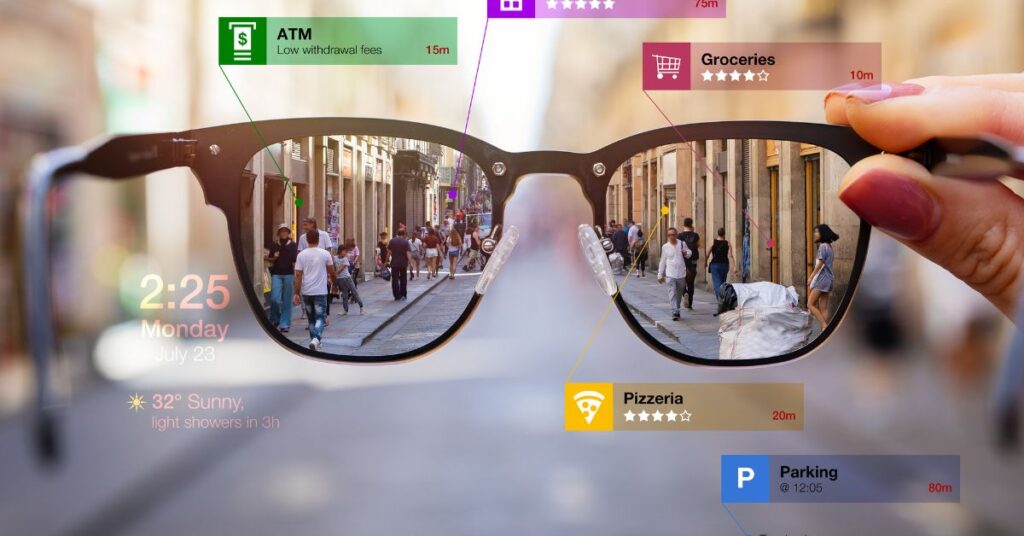
Augmented Reality (AR) Advertising
An exciting trend in corporate advertising is the use of augmented reality (AR) experiences. AR enables brands to create immersive and interactive ads that captivate consumers in a special way. For example, cosmetic brands are using AR to provide virtual try-on experiences, allowing customers to see how products will look on them before buying. Similarly, furniture companies are using AR to help customers visualize how their products would fit in their homes. By integrating AR into their advertising strategies, brands increase consumer engagement and deliver a more personalized shopping experience.
Conversational Advertising
The rise of voice assistants and chatbots has brought about conversational advertising. It emphasizes personalized, two-way interactions with consumers. Brands use voice-enabled devices and messaging platforms for more natural and conversational engagement. This approach helps gather valuable insights into consumer preferences and tailor messaging accordingly. For instance, a clothing brand may employ a chatbot to assist customers in finding the ideal outfit. By asking about style preferences, the chatbot provides personalized recommendations. Embracing conversational advertising enables brands to forge stronger connections and deliver customized experiences to their target audience.
Authentic and Purpose-Driven Messaging

Sustainability and Social Responsibility
In 2024, consumer concerns about the environment and social issues are rising. Brands now integrate sustainability and social responsibility into their advertising. Consumers support brands that share their values, and corporate advertising communicates a brand’s commitment. Ads showcasing sustainable practices, ethical sourcing, and social initiatives resonate deeply. Authentic and purpose-driven messaging builds trust, loyalty, and a positive brand image.
Influencer Marketing 2.0
Influencer marketing has evolved. In 2024, brands pursue long-term partnerships with authentic influencers. Rather than one-off collaborations, brands seek influencers who share their values and connect genuinely with audiences. This approach allows for authentic storytelling and builds trust. By aligning with credible influencers, brands effectively engage their target demographic, leveraging the influencer’s reach and credibility.
Seamless Shopping Experiences

Shoppable Ads
Making purchases directly from ads revolutionizes how consumers shop, reducing friction and increasing conversions. Interactive elements and direct purchase options provide a seamless experience. For example, a fashion brand can showcase a product in an ad, allowing instant purchases with a click. Shoppable ads streamline the customer journey and capitalize on impulse buying.
Social Commerce Integration
In 2024, brands integrate social commerce into their corporate advertising strategies, leveraging platforms like Instagram and Facebook. Product tags and “Buy Now” buttons seamlessly integrate offerings into the social media experience. Social commerce enhances convenience, letting consumers explore, engage, and purchase without leaving their preferred platforms.
Data Privacy and Personalization

Privacy-Centric Corporate Advertising
Brands are adapting advertising strategies to prioritize consumer privacy under tighter data regulations. Privacy-centric advertising collects and uses first-party data with consumer consent. Transparency and meaningful value build trust while respecting privacy and delivering personalized advertisements in compliance with regulations.
Artificial Intelligence (AI) and Machine Learning
AI and machine learning revolutionize corporate advertising with personalized experiences and data-driven optimization. AI algorithms analyze vast data to understand consumer behavior and preferences. Targeted ads reach the right audience at the right time. AI generates creative assets based on data insights, streamlining the creative process and improving ad performance.
Emerging Trends and Future Outlook

Metaverse Advertising
Brands are exploring corporate advertising opportunities within the metaverse, a virtual shared space for real-time interaction. In 2024, metaverse advertising creates immersive brand activations and virtual experiences. For instance, a fashion brand may host a virtual runway show, offering a unique and interactive experience. However, careful integration is necessary to maintain authenticity and avoid oversaturation, aligning metaverse experiences with overall marketing strategies.
Micro-Influencer Partnerships
Micro-influencer partnerships gain momentum in 2024 alongside influencer marketing. Micro-influencers have smaller but highly engaged social media followings in specific niches. Brands recognize the value of these influencers in reaching niche audiences and building authentic connections. Their personal and relatable approach resonates with dedicated followers. Collaborating with micro-influencers enables cost-effective reach and access to highly targeted communities aligned with the brand’s target audience.
Experiential Marketing
Amid a digital world, experiential marketing remains potent in 2024. It creates memorable and immersive brand experiences. Pop-up events, interactive installations, and engaging campaigns captivate audiences and leave lasting impressions. For instance, a tech company may showcase products through hands-on exhibits. Experiential marketing generates buzz, fosters emotional connections, and boosts brand loyalty.
Conclusion
Corporate advertising is undergoing significant transformations in 2024, driven by technology, consumer preferences, and authenticity. Brands embracing these trends gain a competitive edge. Immersive experiences, authentic messaging, seamless shopping, and privacy-personalization enhance audience engagement. Businesses must adapt, explore innovation, and align with consumer values in this ever-changing landscape.
To create compelling video content that aligns with the latest advertising trends, Astral Studios is your ideal video production agency in Johannesburg. With our expertise in storytelling and visual communication, we help brands captivate their audience and deliver impactful messages. Contact us today to elevate your corporate advertising through dynamic video content.
FAQ
Q: How does augmented reality (AR) advertising benefit businesses?
AR advertising creates immersive experiences, such as virtual try-ons and product visualizations, enhancing consumer engagement, boosting sales, and setting brands apart in a competitive market.
Q: What is conversational advertising?
Conversational advertising involves personalized interactions between brands and consumers through voice assistants and chatbots. It enables natural conversations, gathers insights, and delivers customized experiences.
Q: Why is authentic messaging important in corporate advertising?
Authentic messaging matters as consumers value a brand’s values and commitments. Highlighting sustainability, social responsibility, and purpose-driven initiatives fosters trust, loyalty, and deeper connections.
Q: What are shoppable ads?
Shoppable ads enable direct purchases from advertisements, reducing steps in the conversion process. They offer seamless shopping experiences, increasing convenience and driving higher conversion rates.
Q: How does data privacy impact corporate advertising?
Data privacy regulations require brands to collect and use first-party data with explicit consumer consent. Respecting privacy preferences builds trust and enables personalized and compliant advertisements.

