


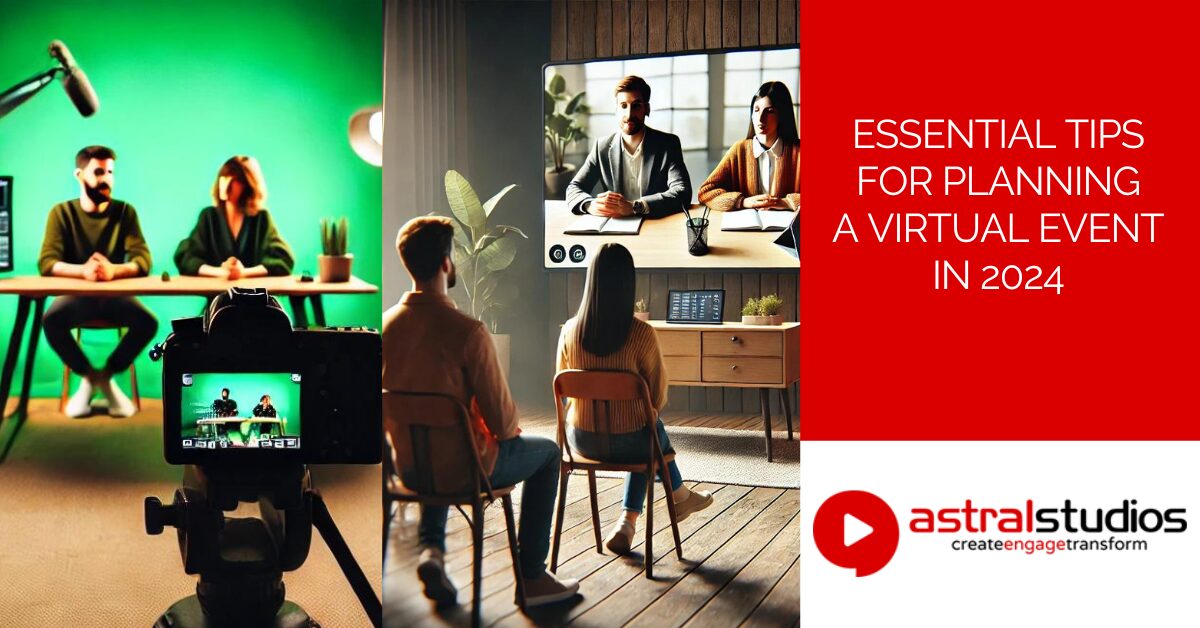
Essential Tips for Planning a Virtual Event in 2025
Last Updated: 11 months ago by Astral Studios Staff
Planning a virtual event can seem daunting, but with the right approach, it can be a highly rewarding experience.
When I planned my first virtual event, I was a mix of excited and overwhelmed. It was for a client who wanted to launch a new product during the height of the pandemic. We had to switch from a traditional in-person event to an online event almost overnight. Despite the challenges, the event was a hit, and I learned invaluable lessons along the way.
Now, as we move into 2024, virtual events have become a staple. They offer unparalleled reach and flexibility. Whether you’re a small business, a corporate entity, or a government agency, knowing how to host a virtual event is essential. This guide will walk you through planning a virtual event, ensuring you have all the tools and insights to make your event a success.
Understanding Virtual Events
What is virtual event planning?
In simple terms, it’s the process of organizing and managing an event that takes place online. Unlike in-person events, virtual events allow participants to join from anywhere in the world, making them incredibly accessible. But they also come with their own set of challenges and opportunities.
Virtual events can range from webinars and online conferences to virtual trade shows and product launches. The key difference lies in the medium. Everything happens through the Internet, requiring robust technology and seamless execution.
Benefits of Hosting a Virtual Event
- Wider Reach: Virtual events aren’t bound by geography. You can attract a global audience without the logistical constraints of travel.
- Cost-Effective: They often cost less than in-person events. You save on venue, travel, and accommodation expenses.
- Flexibility: Virtual events can be recorded and repurposed, allowing attendees to access content on demand.
Setting Goals and Objectives
Before diving into the logistics, it’s crucial to define the purpose of your event. What do you hope to achieve? Are you looking to generate leads, educate your audience, or launch a new product? Clear goals will guide your planning process and help measure success.
Identifying Key Metrics
- Attendance Rate: How many people registered versus how many actually attended?
- Engagement: Track interaction levels through Q&A sessions, polls, and surveys.
- Conversion Rate: Measure how many attendees took the desired action, such as signing up for a service or purchasing a product.
Aligning these goals with your business objectives ensures that your event delivers tangible value.
Choosing the Right Virtual Event Production Company
Selecting the right virtual event production company is a critical step. The right partner will bring your vision to life and handle the technical details, allowing you to focus on content and engagement.
Key Factors to Consider
- Experience and Expertise: Look for a company with a proven track record in hosting successful online events. Check their portfolio and client testimonials.
- Technology and Tools: Ensure they have the latest technology and tools to support your event. This includes reliable streaming platforms, interactive features, and robust security measures.
- Customization Options: Your event should reflect your brand. Choose a company that offers customization options to tailor the event to your needs.
Questions to Ask Potential Production Companies
- What experience do you have with events similar to ours?
- What technology do you use, and how do you ensure reliability?
- Can you provide examples of past events you’ve produced?
Planning the Event
With goals set and a production company chosen, it’s time to dive into the nitty-gritty of planning your event.
Creating a Detailed Event Plan
- Timeline: Start planning well in advance. Outline key milestones and deadlines.
- Budget: Determine your budget early on. Include costs for technology, marketing, and any additional services.
Selecting the Right Platform
Compare popular platforms based on your needs. Consider features like attendee capacity, interactive tools, and user experience.
Features to Look for in a Platform:
- Ease of use for both organizers and attendees
- Reliable streaming quality
- Interactive elements like chat, Q&A, and polls
Engaging Your Audience
Engagement is key to a successful virtual event. Start engaging your audience before the event even begins.
Pre-Event Engagement Strategies
- Social Media: Use social media to build excitement and share updates.
- Email Campaigns: Send reminders and teasers to registered attendees.
Interactive Elements During the Event
- Q&A Sessions: Allow attendees to ask questions and interact with speakers.
- Polls and Surveys: Keep the audience engaged with real-time polls and surveys.
Post-Event Follow-Up
- Send a thank-you email with a recap and access to recorded sessions.
- Gather feedback through surveys to improve future events.
Virtual Event Ideas and Best Practices
When planning a virtual event, creativity can make all the difference. Here are some innovative ideas and best practices to consider:
Innovative Ideas for Virtual Events
- Virtual Networking Lounges: Create virtual spaces where attendees can network and interact. Use breakout rooms for small group discussions.
- Interactive Workshops: Host hands-on sessions where participants can learn new skills in real-time.
- Virtual Exhibitions: Set up virtual booths for sponsors and exhibitors. Allow attendees to explore and interact with them.
Case Studies of Successful Virtual Events
- Product Launches: Companies like Apple and Tesla have set the bar high with their virtual product launches, combining sleek presentations with interactive elements.
- Conferences: The Adobe Summit went virtual in 2020, offering a mix of live and on-demand sessions, attracting thousands of attendees worldwide.
Tips for Making Your Event Stand Out
- High-Quality Production: Invest in good audio and video quality. It makes a significant difference in the attendee experience.
- Engaging Content: Keep sessions short and interactive. Use multimedia elements to maintain interest.
- Personal Touches: Personalize the experience for attendees. Use their names in communications and tailor content to their interests.
Role of a Virtual Event Coordinator
A virtual event coordinator plays a pivotal role in ensuring everything runs smoothly. Their responsibilities span from pre-event planning to post-event analysis.
Responsibilities of a Virtual Event Coordinator
- Pre-Event Planning: Coordinators handle logistics, liaise with speakers, and ensure all technical aspects are in place.
- During the Event: They manage live sessions, troubleshoot technical issues, and keep the event on schedule.
- Post-Event: Coordinators gather feedback, analyze performance metrics, and provide reports.
How a Coordinator Can Enhance Your Event
- Expertise: Their experience can help avoid common pitfalls.
- Efficiency: They handle the details, allowing you to focus on the big picture.
- Engagement: Coordinators ensure a smooth experience for attendees, keeping them engaged and satisfied.
Measuring Success and ROI
After your event, measuring its success is crucial. This helps you understand what worked and where there’s room for improvement.
Tools for Tracking Event Performance
- Analytics Platforms: Use tools like Google Analytics to track website traffic and attendee behavior.
- Event Software: Many virtual event platforms offer built-in analytics to monitor engagement and attendance.
Analyzing Attendee Feedback
- Send out surveys immediately after the event. Ask for feedback on content, speakers, and overall experience.
- Use the feedback to identify strengths and areas for improvement.
Calculating ROI
- Cost vs. Revenue: Compare the cost of hosting the event with the revenue generated. Include sponsorships, ticket sales, and post-event sales.
- Lead Generation: Measure how many leads were generated and their quality. Follow up to convert them into customers.
- Brand Awareness: Assess the increase in brand visibility and social media engagement.
Conclusion
Planning a virtual event in 2024 requires careful planning and the right partners. By setting clear goals, choosing a reliable virtual event production company, and engaging your audience, you can create a memorable and successful event. Whether you’re a small business, a corporate entity, or a government agency, virtual events offer an incredible opportunity to connect with your audience on a global scale.
Ready to elevate your virtual event? Partner with Astral Studios, where innovation meets excellence. Let us bring your vision to life with our expert production services. Contact us today to start planning your unforgettable virtual event!
Frequently Asked Questions (FAQ)
What is virtual event planning?
Virtual event planning is the process of organizing and managing an event that takes place online. It involves coordinating various elements such as speakers, technology, engagement strategies, and logistics to create a seamless and interactive experience for attendees.
How do I start planning a virtual event?
Start by defining the goals and objectives of your event. Identify your target audience and decide on the type of event you want to host. Choose a reliable virtual event production company, select the right platform, and create a detailed event plan including a timeline and budget.
What are the benefits of hosting a virtual event?
Virtual events offer numerous benefits, including wider reach, cost-effectiveness, and flexibility. They allow you to attract a global audience, save on venue and travel costs, and provide on-demand content for attendees to access at their convenience.
How do I choose the right virtual event production company?
Look for a company with experience and expertise in hosting virtual events. Check their portfolio and client testimonials. Ensure they have the latest technology and tools, offer customization options, and can handle the specific needs of your event.
What are some effective ways to engage my audience during a virtual event?
Engage your audience by incorporating interactive elements such as Q&A sessions, polls, and surveys. Use social media and email campaigns for pre-event engagement. Post-event, send follow-up emails with recaps and access to recorded sessions to maintain engagement.
What platform should I use for my virtual event?
The platform you choose should align with your event’s needs. Look for features like high-quality streaming, user-friendly interfaces, and interactive tools. Popular platforms include Zoom, Microsoft Teams, and Hopin. Compare their features and select the one that best suits your requirements.
How can I measure the success of my virtual event?
Measure success by tracking key metrics such as attendance rate, engagement levels, and conversion rates. Use analytics tools to monitor performance and gather attendee feedback through surveys. Analyze the data to identify strengths and areas for improvement.
What are some creative ideas for virtual events?
Consider virtual networking lounges, interactive workshops, and virtual exhibitions. Personalize the experience for attendees and keep sessions short and engaging. Look at successful case studies for inspiration and tailor ideas to fit your event’s goals and audience.
What does a virtual event coordinator do?
A virtual event coordinator handles all aspects of the event, from pre-event planning to post-event analysis. They manage logistics, liaise with speakers, ensure technical aspects are in place, and troubleshoot any issues during the event. Their expertise ensures a smooth and successful event.
How do I calculate the ROI of my virtual event?
Calculate ROI by comparing the cost of hosting the event with the revenue generated, including sponsorships and ticket sales. Measure lead generation and follow up to convert leads into customers. Assess the increase in brand awareness and social media engagement to gauge the overall impact.

