


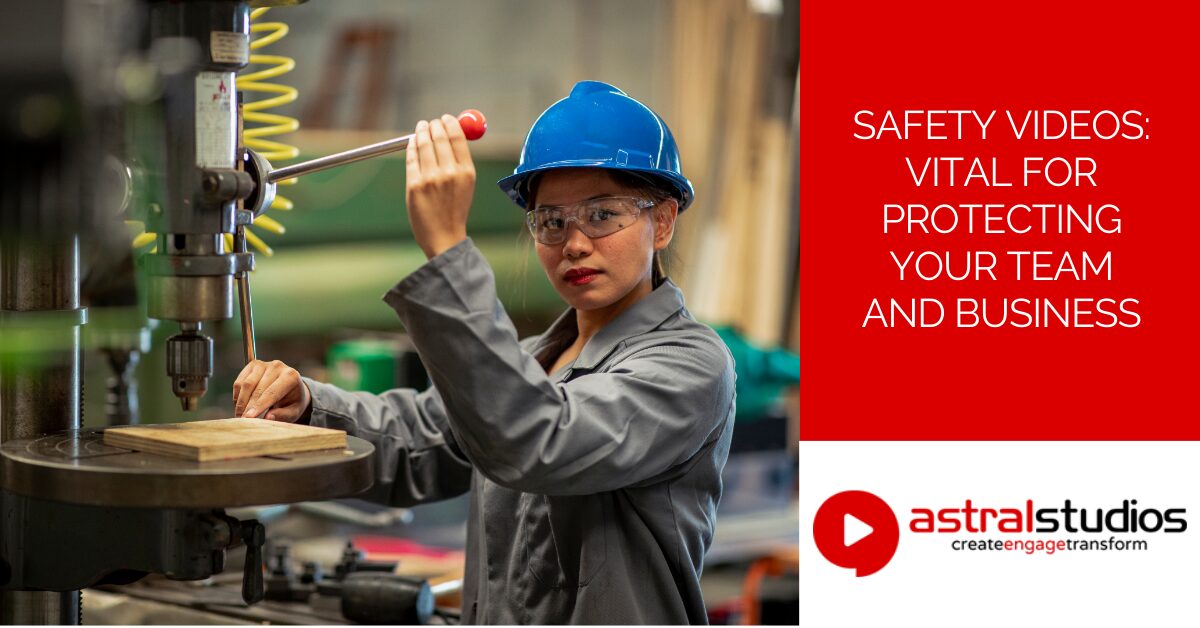
Safety Videos: Vital for Protecting Your Team and Business
Last Updated: 2 years ago by Astral Studios Staff
The Impact of Safety Videos
In any workplace, safety isn’t just a priority; it’s a fundamental requirement. Employers have a legal and moral obligation to provide a safe working environment for their employees. Safety videos are one of the most effective tools in achieving this goal. They serve as educational resources that inform and engage employees in learning about workplace safety rules and regulations.
Safety videos are not just about ticking boxes or meeting regulatory requirements. They play a crucial role in fostering a culture of safety within an organization. By visually demonstrating safety procedures, these videos make the information more accessible and understandable for employees at all levels. From new hires to seasoned professionals, everyone benefits from the reinforcement of safety protocols through visual aids.
Why Safety Videos Matter
The human brain processes visual information faster and retains it better than text alone. Safety videos leverage this cognitive advantage by presenting complex safety concepts in a visually digestible format. This works better than traditional training methods, such as lengthy manuals or dry presentations. Safety videos capture employees’ attention and keep them engaged throughout the learning process.
Moreover, safety videos transcend language barriers. This makes them suitable for diverse work environments where employees may speak different languages or have varying levels of literacy. This universal appeal ensures that every employee receives consistent and comprehensive safety training, regardless of their background or communication skills.
Key Elements of Workplace Safety Videos
Hazard Identification and Risk Assessment:
Effective hazard identification is the cornerstone of workplace safety. Safety videos provide practical examples and case studies to help employees recognise potential hazards in their work environment. They raise awareness about common workplace dangers, such as slippery floors, faulty equipment, or exposed electrical wiring. These videos empower employees to take proactive measures to mitigate risks and prevent accidents.
Moreover, safety videos guide employees through the process of risk assessment. They learn how to evaluate the likelihood and severity of potential hazards. By understanding the principles of risk assessment, employees can prioritise safety measures and allocate resources effectively to minimise workplace risks.
Emergency Procedures and Safety Protocols:
In emergencies, quick and decisive action can mean the difference between life and death. Safety videos prepare employees to respond effectively to various emergency situations, including fires, medical emergencies, or natural disasters. These videos simulate realistic scenarios and demonstrate proper emergency procedures. This instils confidence and readiness in employees to handle crisis situations calmly and efficiently.
Furthermore, safety videos outline essential safety protocols, such as evacuation procedures, first aid techniques, and communication protocols. By familiarising employees with these protocols, organizations can streamline emergency response efforts and minimise confusion during critical incidents.
Fire Safety and Electrical Safety:
Fires and electrical hazards pose significant risks in many workplaces, from office buildings to industrial facilities. Safety videos provide comprehensive training on fire safety measures and electrical safety precautions to prevent accidents and minimise property damage.
Fire safety videos cover essential topics such as fire prevention, extinguisher use, evacuation procedures, and safe assembly points. Videos can simulate fire scenarios and demonstrate proper fire safety techniques. They equip employees with the knowledge and skills to respond effectively to fire emergencies.
Similarly, electrical safety videos educate employees on the dangers of electrical hazards, such as shocks, burns, or fires. These videos highlight best practices for working safely with electrical equipment. This includes proper wiring techniques, equipment maintenance, and personal protective measures. Promoting a culture of electrical safety awareness helps organizations to reduce the risk of electrical accidents. This ensures a safer work environment for all employees.
Fall Protection and Machine Safety:
Falls and machinery accidents are leading causes of workplace injuries and fatalities. Safety videos address these risks by providing comprehensive training on fall protection and machine safety procedures.
Fall protection videos educate employees on the importance of proper fall prevention techniques. These include personal fall arrest systems, installing guardrails, and maintaining a clean and clutter-free work environment. These videos can demonstrate the consequences of falls from heights and showcase effective fall protection measures. They raise awareness about the importance of working safely at elevated heights and reduce the risk of fall-related accidents.
Machine safety videos focus on promoting safe work practices when operating or working near machinery and equipment. They highlight common machine hazards, such as entanglement, crushing, or amputation. They also provide guidance on how to identify and mitigate these risks. These videos emphasise the importance of equipment inspections, lockout/tagout procedures, and machine guarding. This empowers employees to work safely around machinery and prevent accidents.
Chemical Safety:
Chemicals are prevalent in many workplaces, from cleaning agents in offices to hazardous substances in industrial settings. Safety videos play a crucial role in educating employees about chemical safety measures and proper handling protocols. This helps to prevent exposure and minimise health risks.
Chemical safety videos cover a wide range of topics. These include chemical hazards identification, storage requirements, handling procedures, and emergency response protocols. These videos illustrate the potential dangers of chemical exposure and demonstrate safe handling practices. This helps to raise awareness about the importance of chemical safety and empowers employees to protect themselves and their coworkers from harm.
The Importance of Safety Videos in Safety Training
Safety training is not a one-time event but an ongoing process that requires continuous reinforcement and updates. Safety videos complement traditional training methods by providing visual demonstrations and real-life examples that reinforce key safety concepts.
Regular safety training helps ensure that employees remain informed about the latest safety regulations, procedures, and best practices. By incorporating safety videos into training sessions, organizations can enhance employee engagement and improve knowledge retention. This helps to foster a culture of safety throughout the workplace.
Maximizing Effectiveness
Creating effective safety videos requires careful planning, creativity, and attention to detail. To maximise their effectiveness, consider the following tips:
- Know your audience: Tailor safety videos to the specific needs and preferences of your target audience. Take into account factors such as language, literacy levels, and cultural backgrounds.
- Keep it concise: Avoid information overload by focusing on the most critical safety messages. Present them in a clear and concise manner.
- Use visual aids: Incorporate visuals, graphics, and animations to reinforce key concepts and make the content more engaging and memorable.
- Include real-life examples: Use case studies, testimonials, and real-life scenarios. These can illustrate the importance of safety procedures and their impact on employee well-being.
- Encourage interaction: Incorporate interactive elements, such as quizzes, polls, or discussion questions, to encourage active participation and reinforce learning.
- Seek feedback: Solicit feedback from employees to identify areas for improvement and make adjustments to future safety videos accordingly.
By following these guidelines, organizations can create safety videos that resonate with employees and promote learning. This ultimately contributes to a safer and healthier work environment for all.
Production of Safety Videos: Bringing Safety to Life
Creating effective safety videos requires a well-thought-out production process that encompasses various stages, from initial brainstorming to final post-production. Here’s a closer look at each phase:
Brainstorming and Pre-Production:
Before diving into production, it’s essential to brainstorm ideas and develop a clear vision for the safety video. This involves identifying the target audience, understanding their learning preferences, and determining the key safety messages to convey.
During pre-production, the script is crafted, outlining the storyline, key scenes, and safety protocols to be covered. Storyboards are created to visualise each shot and plan camera angles, transitions, and special effects.
Various modes of storytelling can be employed to engage viewers and reinforce key safety concepts. These include:
- Narrative Storytelling: Telling a story with relatable characters and plot twists can captivate viewers’ attention. This makes safety messages more memorable. By following characters through their daily work routines and highlighting the importance of safety precautions, narrative storytelling humanises the message and fosters empathy among employees.
- Instructional Storytelling: Presenting safety information in a step-by-step format can help employees understand complex procedures and protocols more easily. Instructional storytelling breaks down tasks into manageable chunks, guiding viewers through each stage of the process and reinforcing key points along the way.
- Interactive Storytelling: Incorporating interactive elements into the video allows viewers to participate actively in the learning process. This can include quizzes, scenarios, or decision-making exercises that prompt viewers to apply safety knowledge in simulated situations. Interactive storytelling promotes engagement and empowers employees to take ownership of their safety responsibilities.
Decisions are also made regarding the style of the video – whether it will be live-action, animation, or a combination of both. Each approach has its advantages:
- Live Action: Utilising real actors and settings can lend authenticity to the video, making it relatable to employees’ everyday work experiences. Live-action videos are particularly effective for demonstrating hands-on safety procedures and showcasing real workplace scenarios.
- Animation: Animation offers greater flexibility in portraying complex concepts and abstract ideas. It allows for creative storytelling and visual metaphors that may be challenging to achieve in live-action format. Animation is also well-suited for depicting hazardous situations or environments that are difficult or dangerous to replicate in real life.
Production:
Once the pre-production phase is complete, it’s time to bring the safety video to life. During the production stage, filming or animation takes place according to the script and storyboard.
For live-action videos, this involves setting up camera equipment, lighting, and sound equipment on location. Actors are coached to deliver their lines convincingly, and multiple takes may be necessary to capture the desired footage.
Green screen effects offer a versatile and cost-effective solution for enhancing safety video production. By filming against a green screen backdrop, producers can seamlessly insert backgrounds, simulations, and visual effects during post-production.
This technique allows for the creation of dynamic and immersive safety scenarios that may be difficult or impractical to film on location. Whether simulating hazardous environments, demonstrating emergency procedures, or showcasing complex machinery, green screen effects provide endless possibilities for engaging storytelling and impactful safety training.
Moreover, green screen technology enables producers to maintain a controlled filming environment, ensuring consistent lighting and audio quality for optimal results. With its flexibility and efficiency, green screen effects are a valuable tool for creating compelling and informative safety videos that resonate with employees and reinforce key safety messages.
In animation production, artists create the characters, backgrounds, and props based on the storyboard. They then animate the scenes using computer software, adding movement, expressions, and visual effects as needed.
Post-Production:
After filming or animation is complete, the footage is edited together in the post-production phase. This involves selecting the best takes, adding music and sound effects, and fine-tuning the visual elements for maximum impact.
Special effects may be incorporated during post-production to enhance the video’s visual appeal and convey safety messages more effectively. For example, simulations can be used to illustrate the consequences of unsafe practices or demonstrate the proper use of safety equipment.
By leveraging these storytelling techniques and production methods, safety videos can effectively communicate crucial safety information, inspire behavioural change, and ultimately create a safer work environment for all employees.
Conclusion: Prioritizing Workplace Safety
In conclusion, workplace safety is everyone’s responsibility, from frontline employees to senior management. Safety videos are invaluable tools for promoting a culture of safety within an organization and preventing accidents before they occur.
By addressing key safety topics such as hazard identification, emergency procedures, fire safety, and chemical handling, safety videos empower employees with the knowledge and skills they need to stay safe on the job. Moreover, by complementing traditional training methods and leveraging the power of visual learning, safety videos engage employees and improve knowledge retention, ultimately leading to a safer and more productive workplace.
As employers, it is our duty to prioritize workplace safety and invest in comprehensive safety training programs that include safety videos as a central component. By doing so, we can create a work environment where employees feel confident, empowered, and protected, leading to better outcomes for both individuals and the organization as a whole.
Partner with Astral Studios for Your Safety Video Production
Are you ready to take your workplace safety training to the next level? Let Astral Studios be your partner in creating compelling and effective safety videos that engage, educate, and empower your employees.
With our expertise in video production and storytelling, we’ll work closely with you to develop customised safety videos tailored to your organisation’s needs. Whether you prefer live-action footage or animated graphics, we have the skills and creativity to bring your safety messages to life.
Don’t settle for bland or outdated training materials. Invest in high-quality safety videos that resonate with your employees and drive real behavioural change. Contact Astral Studios today to learn more about our safety video production services and take the first step towards a safer workplace for everyone.
FAQ: Workplace Safety Video Production
Q: What is the purpose of workplace safety videos?
A: Workplace safety videos serve as educational tools to inform and train employees on safety rules, procedures, and protocols. They help prevent accidents, promote a culture of safety, and ensure compliance with regulatory requirements.
Q: How do safety videos enhance employee training?
A: Safety videos leverage visual storytelling to engage employees and reinforce key safety concepts. By presenting information in a clear, concise, and visually appealing manner, these videos improve knowledge retention and encourage behavioural change among employees.
Q: What topics are typically covered in safety videos?
A: Safety videos cover a wide range of topics, including hazard identification, emergency procedures, fire safety, electrical safety, fall protection, machine safety, chemical safety, and more. The specific topics addressed may vary depending on the nature of the workplace and the industry.
Q: What are the benefits of using green screen effects in safety video production?
A: Green screen effects offer versatility and flexibility in creating realistic and immersive safety scenarios. By filming against a green screen backdrop, producers can insert backgrounds, simulations, and visual effects during post-production, enhancing the overall quality and impact of the safety video.
Q: How can organizations ensure the effectiveness of their safety videos?
A: To ensure the effectiveness of safety videos, organizations should tailor the content to their target audience, incorporate interactive elements where possible, and regularly update the material to reflect changes in safety regulations or procedures. Additionally, soliciting feedback from employees and conducting evaluations can help identify areas for improvement and refine future safety video productions.
Q: Can safety videos be used for employee training in multiple languages?
A: Yes, safety videos can be produced with multilingual audio tracks or subtitles to accommodate employees who speak different languages. This ensures that all employees receive consistent and comprehensive safety training, regardless of their language proficiency.
Q: How can organizations get started with safety video production?
A: Organizations interested in safety video production can partner with experienced video production companies, such as Astral Studios, to develop customised safety videos tailored to their specific needs and requirements. By collaborating with professionals who understand the nuances of safety training and storytelling, organizations can create impactful and effective safety videos that resonate with employees and promote a culture of safety in the workplace.

