


UNFPA Harmful Practices and FGM Innovation Forum Case Study 20-3-24
Last Updated: 2 years ago by Astral Studios Staff
Project: Harmful Practices and FGM Innovation Forum
Client: United Nations Population Fund East and Southern Africa Regional Office (UNFPA ESARO)
Client Profile: The UNFPA works to ensure sexual and reproductive health and reproductive rights for all, particularly focusing on women and young people.
Client Industry: Public Health, Social Services
Location: Nairobi, Kenya
Duration: 25, 26 and 27 October, 2023


Introduction
There’s a pressing need to back innovative projects, especially those launched by young people. To make this a reality, we need to collaborate on creating a more streamlined process for them. This involves open discussions about helpful policies, happening across broad regions and even entire continents.
The UNFPA ESARO, UNFPA/UNICEF as a Joint program on FGM, and partners organised a two- and half-day youth-focused Harmful Practices Innovation Forum in Nairobi, Kenya in October 2023.
The Summit brought together young innovators, FGM programmers, business coaches, donors, investors, and digital communicators from across the continent.
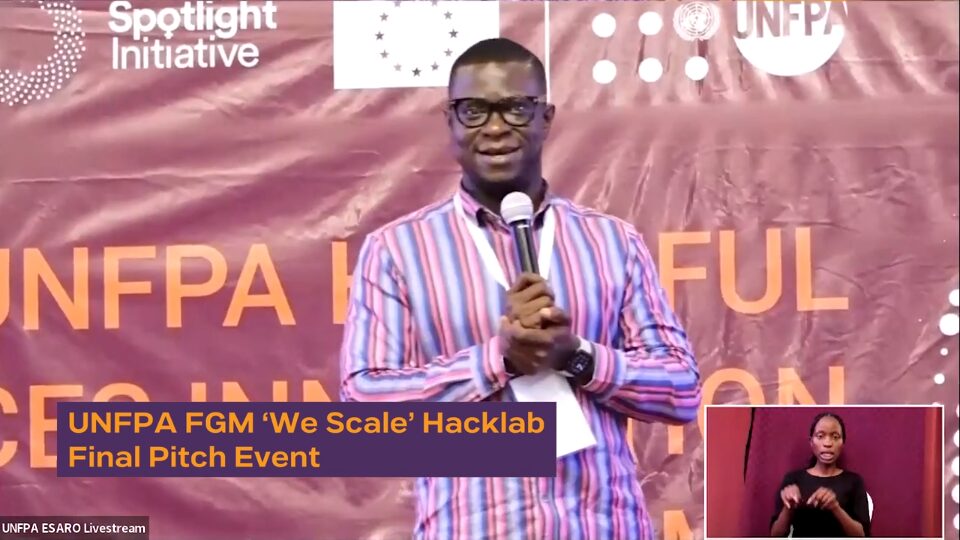
Astral Studios provided audio, video, and live streaming to share the discussions, experiences, ideas, and innovative solutions from the conference. The live-stream allowed online delegates to participate in real-time. The information was also posted on various websites and platforms, making it easier for the target audience to find and learn from it.
Pre-production
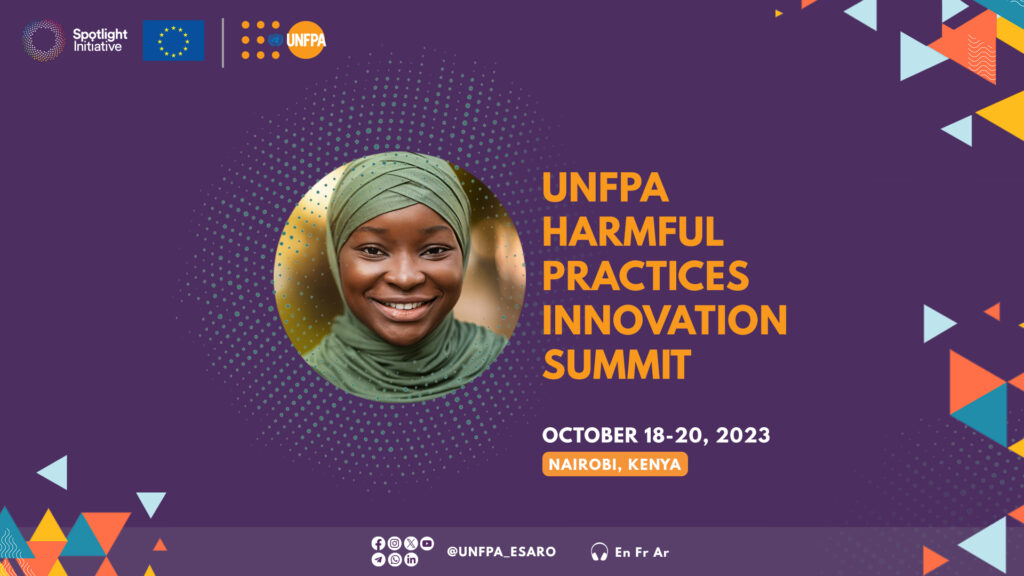
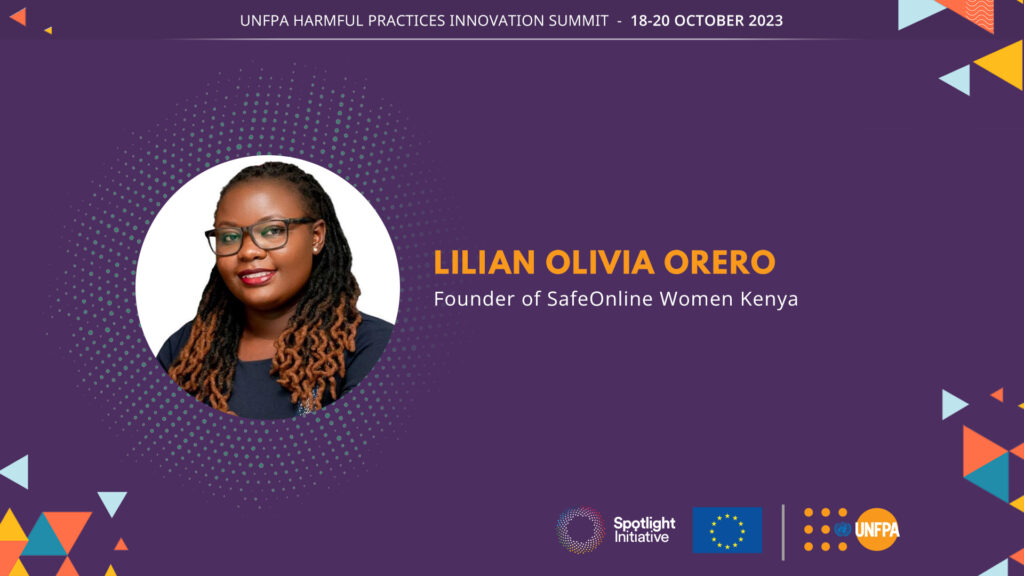
Graphic design and artwork was done for the branding of the banners as well as the speaker cards, media cards and presenter cards. Holding frame animation and logo animation was created and approved. These were designed in 3 languages namely English, French and Arabic to accommodate all the delegates.
Presenter Cards are used to introduce the presenter to the audience within the venue. They will appear on the screen prior to the presentation and also during the day (during breaks) to remind the delegates who has spoken or coming up in the programme for that day. It is important to include a photo of the presenter, the name of their organisation and their position in the organisation. The title of the presentation and a very brief overview is also included.
These slides can be shown during the presentation at times when the presenters are not referring directly to the screen for their presentation, to remind the audience and latecomers who is busy presenting. In the same vein, we produced Speaker cards that essentially will contain the same information, with the addition of the time and conference session. These are used on the social media platforms for the delegates participating online. These speaker cards then need to be converted and adapted so that they can be uploaded to the various social media platforms. The requirements differ from platform to platform, so you can end up with 4 or 5 different versions that need to edited.
Lower Thirds are graphic overlay strips along the bottom of the screen including the presenter’s name, organisation and the title of the presentation.
Holding Frame / Animated Logos
A holding frame is also very important. This slide is used between presentations as to not have a blank screen. These will include the conference name, venue, dates and times and a “catch line” describing the purpose or content of the conference. Along with the holding slide we create an animation of the hosting organisation and sponsors which can also be used during arrival, breaks and at the end of the day’s conference showing their logos.
Registration – Online & QR Code
If the pandemic did anything, it certainly changed our relationship with technology, and we’ve definitely felt the effects here in the events industry.
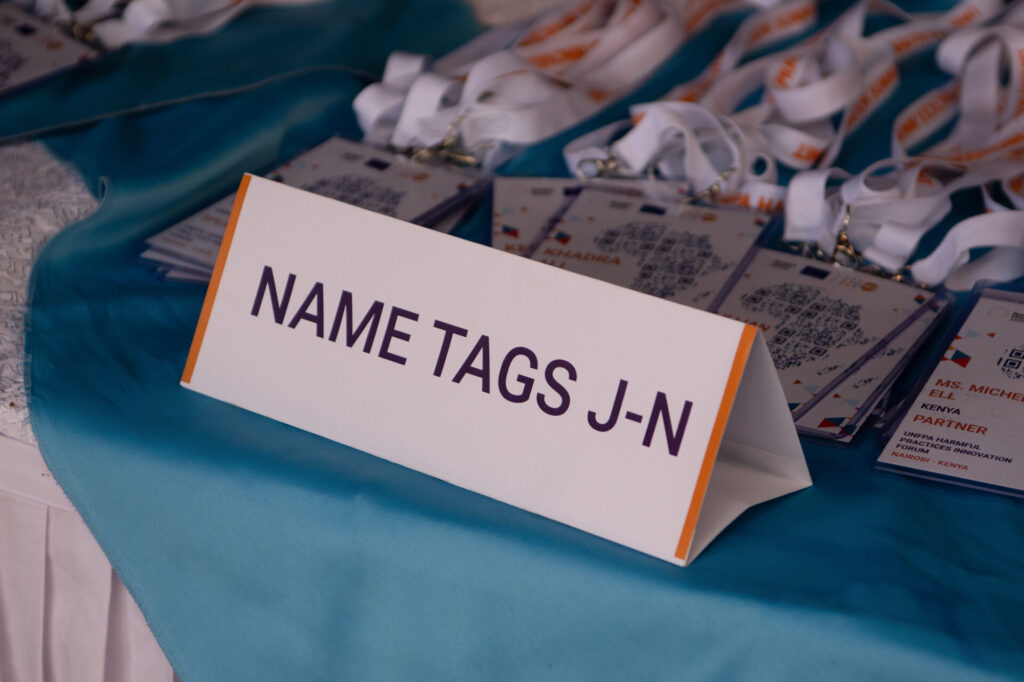
Instead of supplying printed agendas, and manually searching through piles of badges. In its place; the QR code – a nifty piece of tech that enables contactless event registration at events, conferences and exhibitions.
Registration QR codes are a simple way of allowing delegates to check in when they arrive, especially if you pair this with contactless, self-service registration kiosks.
For a more personal touch, registration QR codes can also be scanned by staff at registration desks. Scan, print and off you go. The process is efficient and cheaper than things like NFC or RFID badges.
QR codes can be generated for free and can be read by any smartphone as well as standard 2D barcode scanners. They can be sent easily in emails and applied directly onto badges.
As we continue to push sustainability in our industry, we’ve found that QR codes for registration are a far more responsible way of internalising data. From contactless info points, to digital event agendas, the need for printouts is long gone. The QR code eradicates the need for a physical ticket, as your code can be held locally on any device.
In fact, with a digital ticket, you don’t even need to have a badge – your E-ticket can act as your badge. That being said, the registration QR codes are fully compatible with self-service kiosks.
All that needs to be done is:
- Send the QR codes in advance
- Consider your registration method
- Exhibitor scanners and lead Retrieval devices
- Scan into and out of breakout sessions.
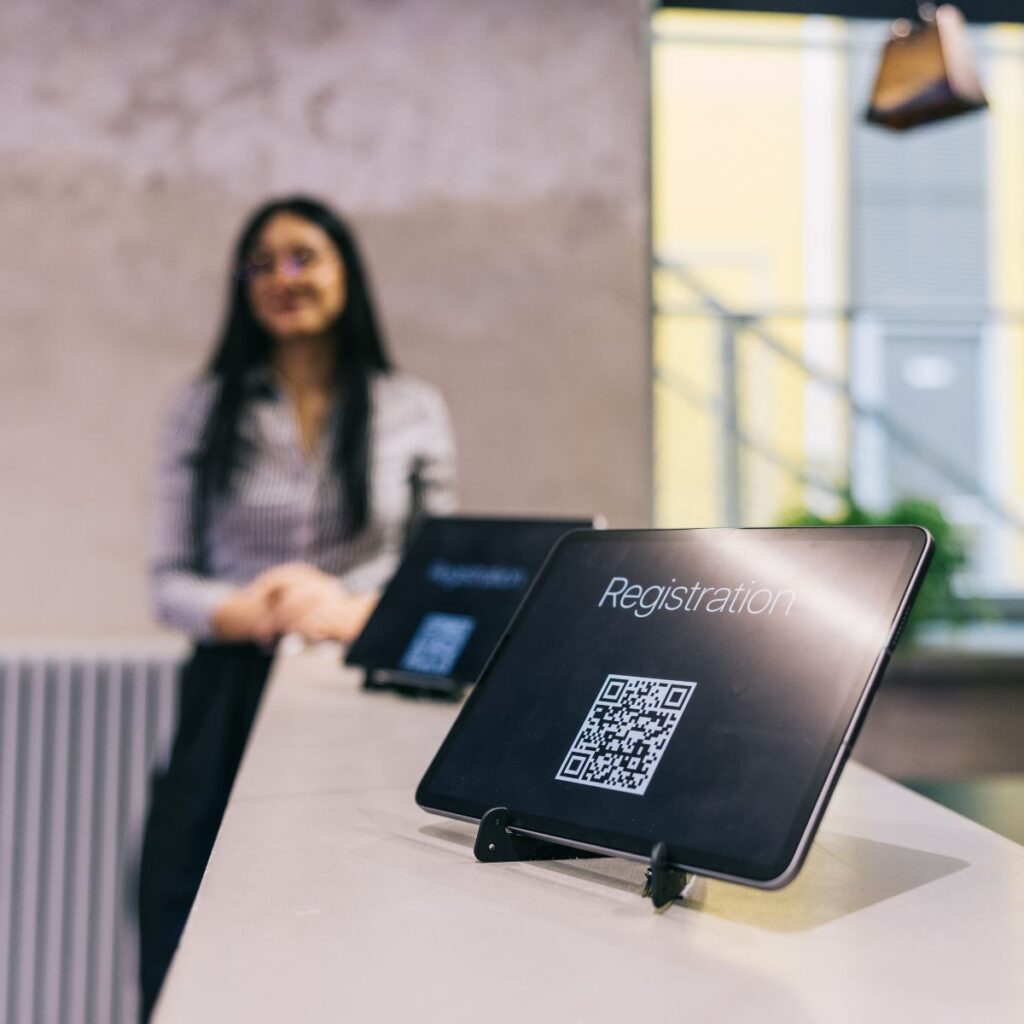
This system allows the organisation to receive all the delegates information before hand, the delegate can register for the sessions they would like to attend. There are numerous add-on’s that can be used as in polls, Comments, uploading of photos by delegates and most importantly a quick and easy registration process. It is also a great way to gather analytics, delegate comments and additional coverage of the conference.


Travel Logistics
Travel is always a very important part of planning an event. For this UNFPA conference we were required to travel from Johannesburg, South Africa to Nairobi, Kenya. With a short lead time and limited flights available we split the travel of the team over two days.
We also booked appropriate ground transportation from the airport to the venue to accommodate our additional baggage which comprised mostly of our camera equipment and the branding that we had printed in South Africa.
One of the requirements travelling to Kenya is a Yellow Fever vacccine. These can be done at Travel Clinics. This vaccine is not regularly in stock, so we had to arrange a nurse to come to the Astral Studios offices to administer the vaccines to the travelling crew all at the same time.
South African citizens and other African countries do not require visas for Kenya, however, our photographer, Shane, having a British passport, needed to apply for an emergency visa. This was expedited by obtaining a project award letter from the UN for each individual crew member stating we were working on their conference. This letter enabled a very speedy processing of the visa. We also had it on hand in case we had any issues at customs.
When travelling with equipment cross-border a Carnet is required from SARS. This document confirms that the equipment Astral Media Solutions is travelling with is leaving the country but we will be returning with it to South Africa. This is classed as a Temporary Export.
A list of all our equipment with serial numbers and values had to be supplied to the SARS representative at the airport. They then inspected the items and a fee was derived from the value of the goods. This meant that on our return we would not have to declare or pay import duties. The equipment also had to be insured for travel for the period outside of South Africa.
We arranged accommodation at the venue as it is always preferable to stay on site. This ensures that there are no delays in travelling to and from the accommodation and the conference venue and also saves on car hire.
Fortunately all our equipment got to Kenya with no damages. We had however set up a supplier in Kenya to be on standby in case anything did get damaged.
Arriving On Site
As per every event, things change on the ground. We needed to produce additional media cards and speaker cards on site the night before the opening ceremony.
Our streaming and presentation team, Johnathan and Kylie, took charge and we all assisted in ensuring that the photos of the presenters and their positions were correct.
A delay in the confirmation of which delegates are confirmed to present leads to this kind of delay.
We worked to finalize the program, and some adjustments were required based on the final speaker confirmations.
Where these were not available we took initiative in researching the presenters names in order to match their photos to the name cards and presentations. All the additional cards were ready for the opening ceremony the following morning.
The PowerPoint presentations we had received beforehand were edited and checked before the presenters went on stage by Kylie, our social media and live streaming technician. She also ran the presentations for the speakers on stage seamlessly, switching between holding slides, presenter cards and making sure the presentations went smoothly. Some of the speakers supplied their presentations only minutes before they were scheduled to speak, so she was under huge time pressure to check the files before their presentations.


Room changes at a venue are quite common. The reason is usually that either more or less people have registered and a more suitable venue needs to be made available. In our case the Plenary venue (Main Venue) had been moved to another location. The Plenary venue is used for the Opening and Closing sessions as well as generally the first session of the day before the whole group of delegates split up to join the smaller breakaway rooms. Breakaway rooms are normally where more specific topics are discussed.
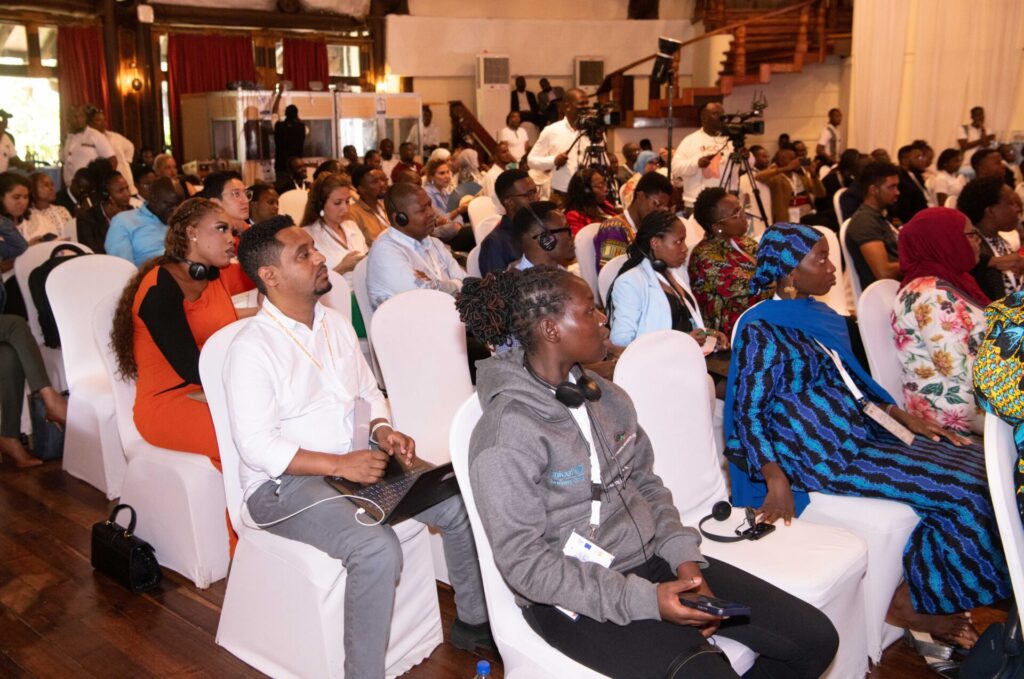
Due to our Plenary room change in venue, this meant breaking down the original set up and moving it across to the new venue. It is always important to ensure that the technical equipment supplied is correct and adaptable for these kind of on site changes. First the stage is set up to give us a centre point to work from. Two LED screens were set up on either side of the stage which were used to project live to screen including the presenters, panellists and the MC. The speakers presentation is also shown on the LED Screens whilst presenting. When using LED screens for a conference it is important to ensure that they are the correct resolution screens. Some presentations have a lot of written information and this needs to be clear to the audience. It is also advisable to guide the presenters in how much information to put on each of their slides, to ensure everything is readable and not too small.
A large Banner was set up for the backdrop of the stage for this conference highlighting the UNFPA logo, sponsors and the description of the event. Thereafter the PA system is placed strategically and tested. These speakers need to be positioned out of the way of the audience and not to close to their seating. When working in a small venue this sometimes becomes a challenge. Microphones are tested, the podium mic for the MC and headsets or hand held mics for the panelists sitting on stage. We normally provide hand held radio microphones for Q&A sessions and supply one of our technicians to move between the delegates to get to the delegate wanting to ask the question. It is essential to have a enough batteries onsite for the microphones, and change them over after each session.



Branding:
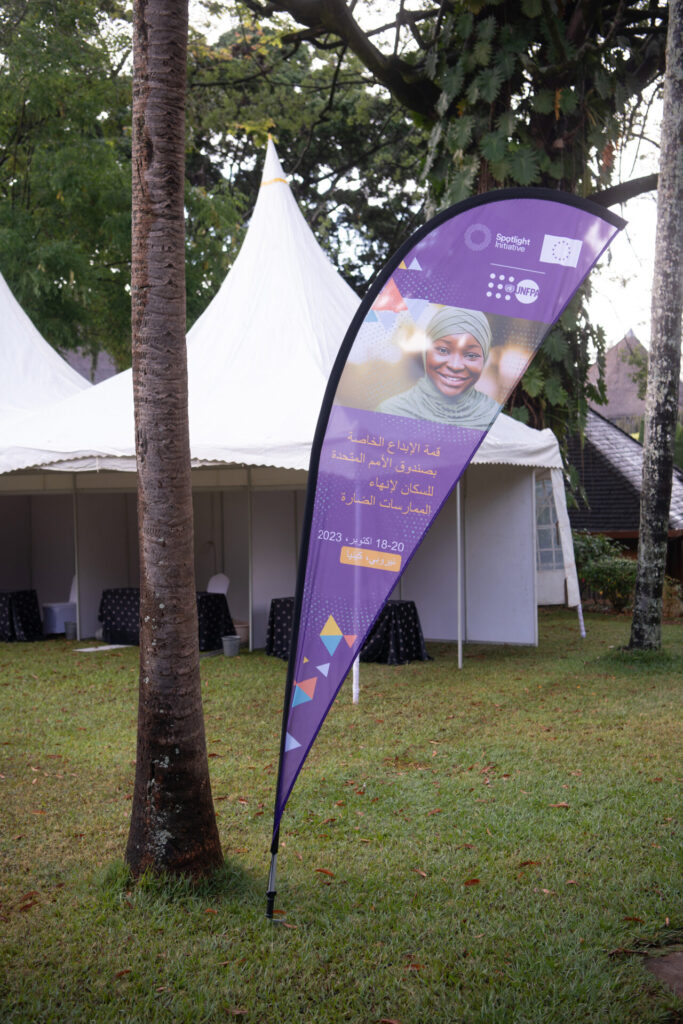
Various Branding elements were used for this conference Firstly a large Banner wall, which was used as a backdrop for the main stage. Banner walls can also be used as side screens with an LED or Projector wall in the middle – depending on the format of the event. These normally include the large conference logo, sponsors, venue and date. The smaller banner walls have a frame so can also be moved during the conference to ensure maximum impact and exposure to the delegates entering the venues. Pull up banners were set up at the registration area and entrance to the Plenary room. This UNFPA conference had delegates from 23 different countries so, we printed our banners in English, French and Arabic for those delegates that are not English speaking. We had delegates from Tibet to Sierra Leone.
We also made use of the banner walls for group photo opportunities. Some of the pull up banners were moved to the breakaway rooms where the afternoon sessions were taking place.
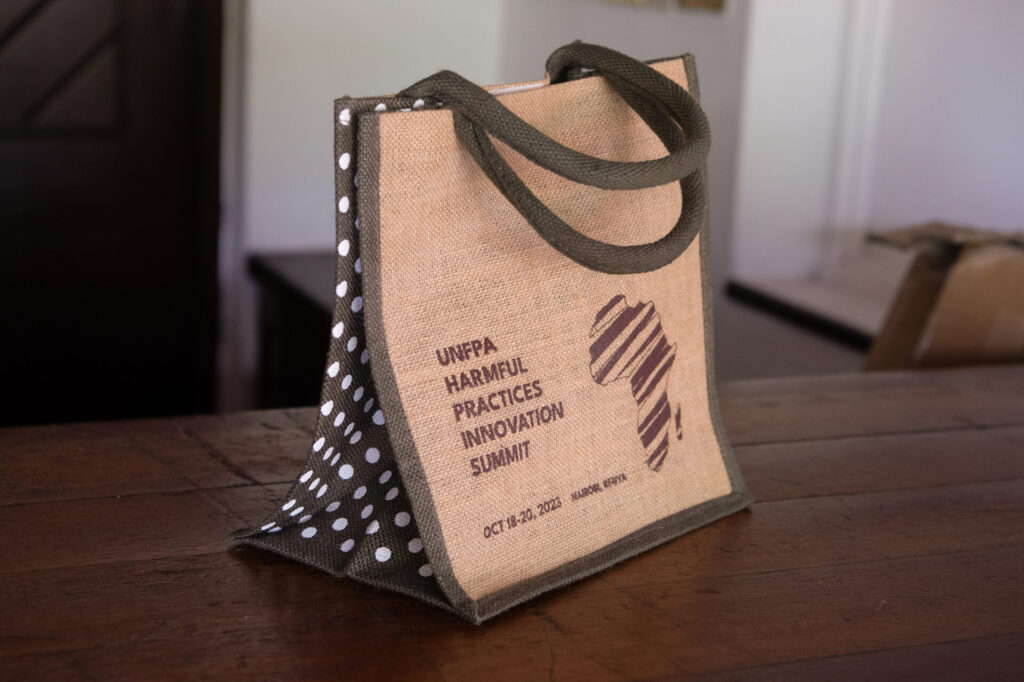
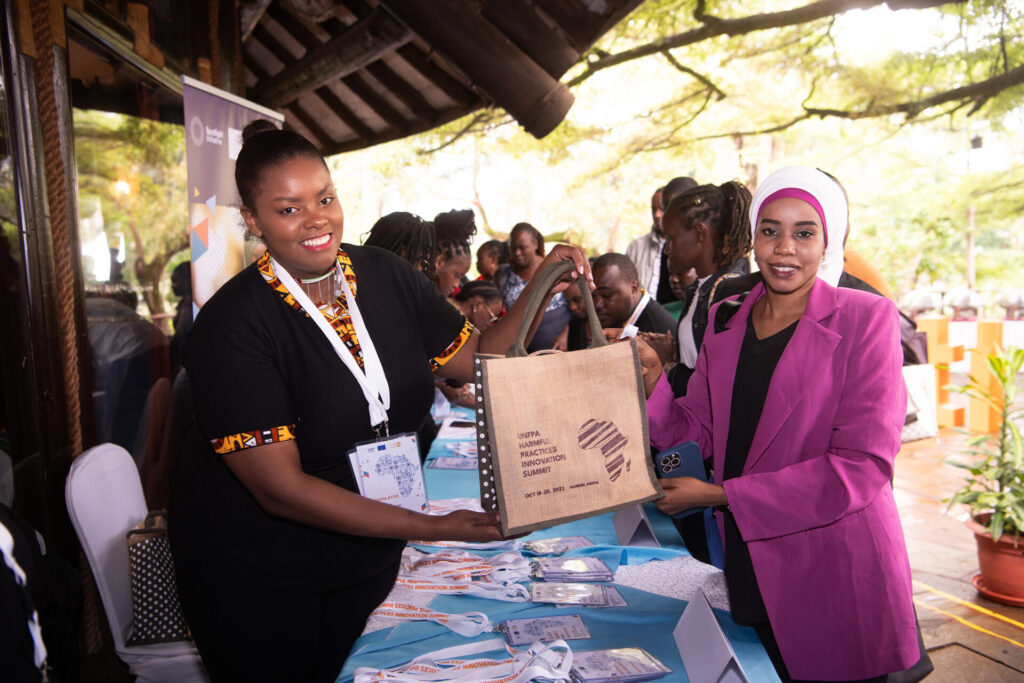
Branded gift bags for the delegates were also supplied. These normally comprise of notepads, pens, caps/shirts and a re-usable bag of sorts. These are then all branded with the Main Organiser’s logo / Conference Logo. Depending on time, these gift bags can be very different to the usual contents. With a longer lead time we are able to source different give away items, source Locally and have everything printed and packed in time for travel.
Live Streaming:
The realm of eventing has changed, with Live Streaming becoming the norm.
For this project we used a multicamera set up. The feeds from each camera were sent to a mixing desk and our streaming team then did a live mix. This already camera feed mix is then used for live streaming. Various different streaming platforms offer different services and options. For this particular conference the client required us to make use of ReStream. This is a streaming tool that allows you to stream from that platform to various others simultaneously eg, zoom, youtube, twitter, x, linkdin, and the organisations own platforms and websites.
Johnathan headed up the live streaming aspect along with Yuneil. A dry run was done before the Opening session. Sound checks are also important. This enables the technical team to adjust the levels of the audio as this needs to be adjusted regarding the level of sound each presenter, video clips and online presenters require. The internet upload speed was monitored carefully, with a backup router on hand. We live streamed the Plenary room as well as other 4 breakaway rooms. Live Streaming also includes the service of managing online guests and speakers. Kylie managed the online speakers, doing connection checks before hand, making sure they are comfortable with connecting. We are also able to provide a Questions and Answers Management service where we feed the questions to the delegates / panellists from the online participants and the delegates then can respond. Relevant content and Social Media Cards are then also extracted and edited on site. These are then converted to the correct format for upload to the required various social media platforms.


Videography
In most instances we set up a camera to capture a wide shot of the stage showing all delegates on stage and the screens. A second camera is positioned to take close ups of the panellists whilst speaking, and a third camera will focus on the MC and the delegates behind when taking questions from the audience during Q&A’s. Depending on the size of the stage and what will be going on on the stage will determine the number of cameras required. For a multiple camera shoot it is preferable to do a live mix in the venue. This one feed can then be used for the Streaming and also aids in the editing post event. For the breakaway rooms (smaller venues for smaller discussions) we set up 1 camera per room. Another camera and microphone were used for our “vox pops” interviews. These are on the fly short clips that are taken in situ outside of the venue, in a more relaxed atmosphere, where the delegates comment on the conference and their organisation. These are then edited and sent to the client for upload to their social media platforms and are also included. Lindsay from UNFPA pointed out to us the guests that they would like full interviews with and those who just needed to give a quick comment about the event and their experiences. The Vox Pop shot interviews we did in the outer garden for background and noise purposes. We moved our set up as the day progressed in order to avoid any issues regarding noise and the positioning of the sun, The calmer setting allowed for those delegates who are very shy and did not feel too comfortable to feel more at ease. We shot great footage of some very interesting and dedicated youth leaders.
One of the challenges was that some of the interviewee’s could not speak English, only Arabic or French, so we arranged for the translators in the plenary room to translate for us.
The full interviews were done separately with Isabel who drafted a full questionnaire and prompt questions. From this she put together comprehensive interview report. This was a challenge to get the chosen VIP guest speakers, influencers to take time and sit for a few minutes. This was normally during tea and lunch breaks so we had to find them in the crowd and coax them to a quite spot, and then quickly get the cameraman and sound technician through to the impromptu area to get the interviews done. After some scouting of the venue and it’s gardens, we managed to find an empty room away from main venues and moved our camera lighting, camera and microphones through. We then had one area to do the more formal interviews. It is essential to get feedback and guidance from the client as to who they would like to do short clips / vox pops clips on. Constant communication with the UN representative on site ensured that the sessions interesting and important speakers or guests were identified.
These clips and interviews were then also sent through to our Johannesburg office to be edited for the client to use for multi media and the relevant websites.


Photography:
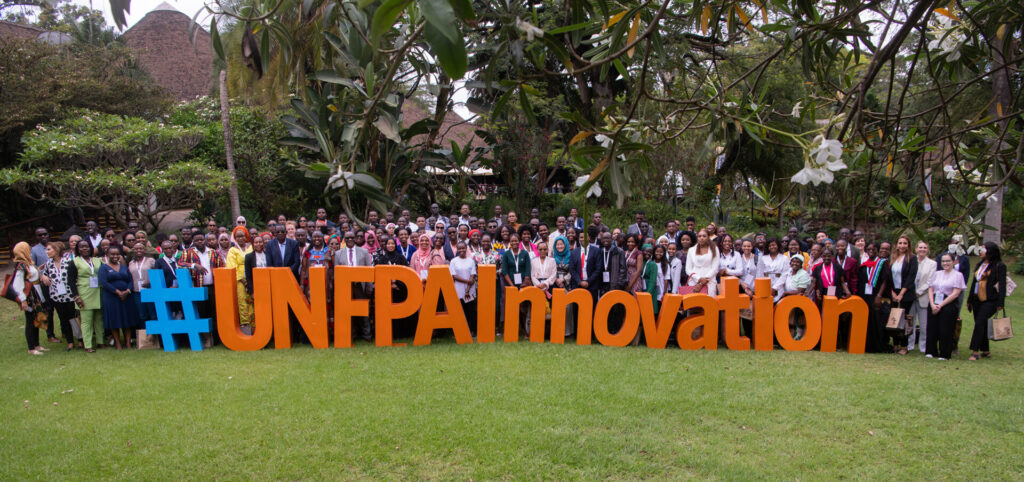
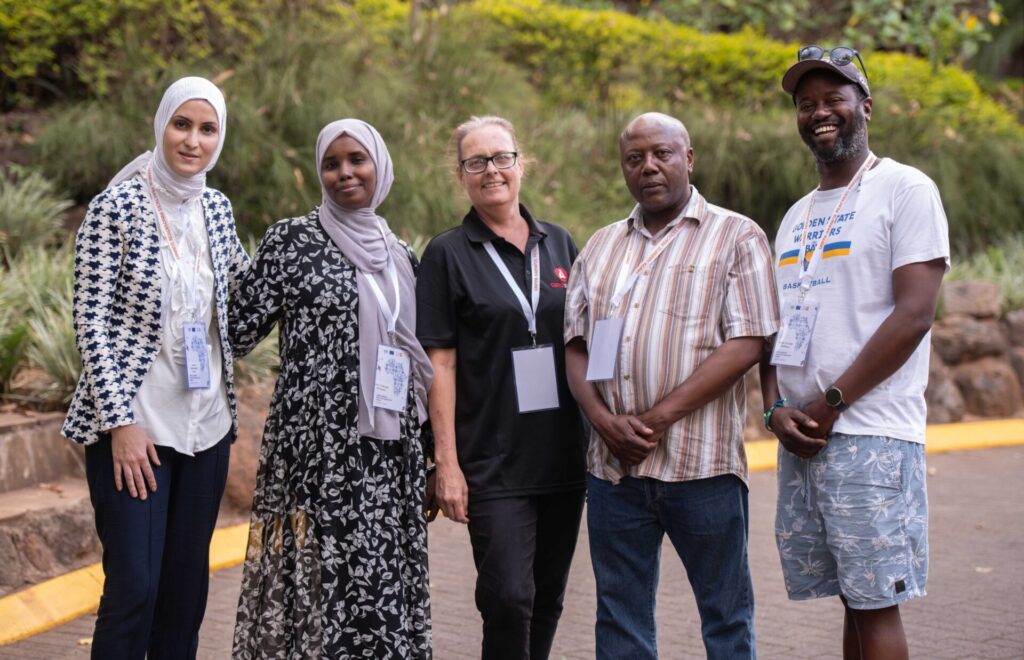
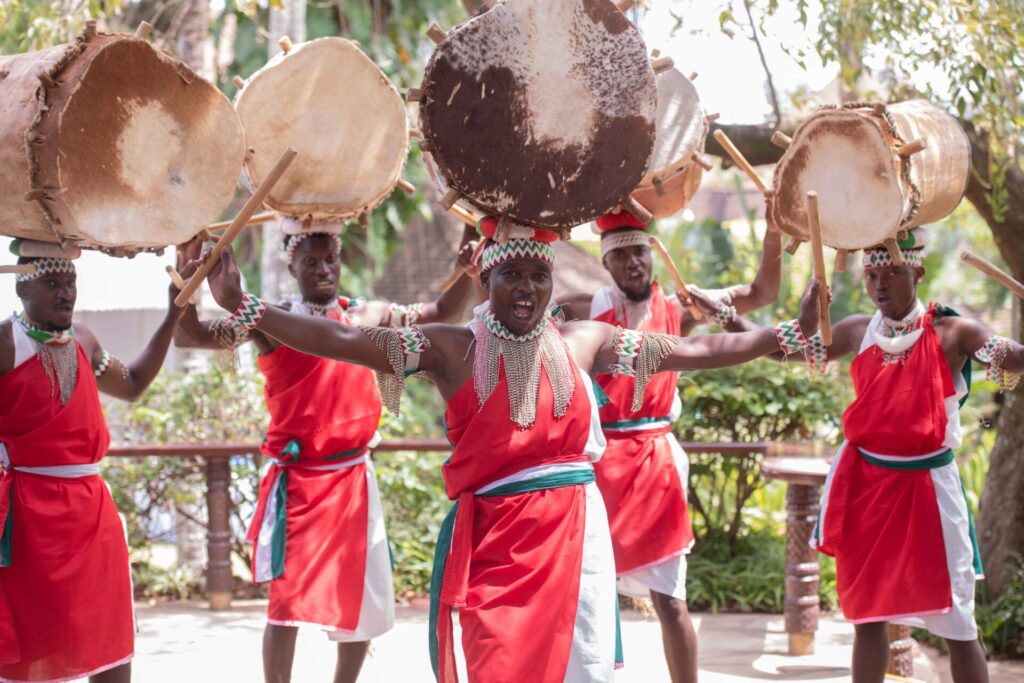
Shane was our photographer on this project. It is preferable to have at least 2 videographers at a conference with more than one venue running at a time. This ensures that all the content is captured throughout. This also would allow for one of the videographers to edit on site while the other is shooting, cutting down on the editing time. The main aim was to capture all the VIP’s, Presenters, Influencers taking part in the conference, in the plenary and the breakaway rooms. Other shots included networking between the attendees, fun group photos of all the guests in the garden area. This was a feat to get all 200 delegates and speakers and VIP’s to group together without trying to miss anyone hiding behind the person in front of them. More casual shots were taken during tea and lunch breaks and of course the dinner. It is also important to have numerous batteries on charge for the cameras and for the portable camera lighting.
At the end of each session the photos were uploaded and the most impressive and relevant photos were chosen to be edited. These were then shown to the client on site and photos were chosen by the client to be uploaded to UNFPA and various other websites, as well as social media.
Simultaneous Translation
This can be done in two ways. One option is to have the Translators in the venue, in translation booths translating within the venue. The other option is a more cost effective solution where the translators are online and their feed is sent directly to the venue where it is transmitted via headsets. Each language is transmitted on a separate channel. For this conference Arabic, French and Portuguese were required and the translators were on site. Due to the high concentration level, 2 translators are required per language as they take shifts during the conference. The translation can then also be transcribed post event for inclusion in reports and addition of Sub-titles to video footage in the required language.

Editing:
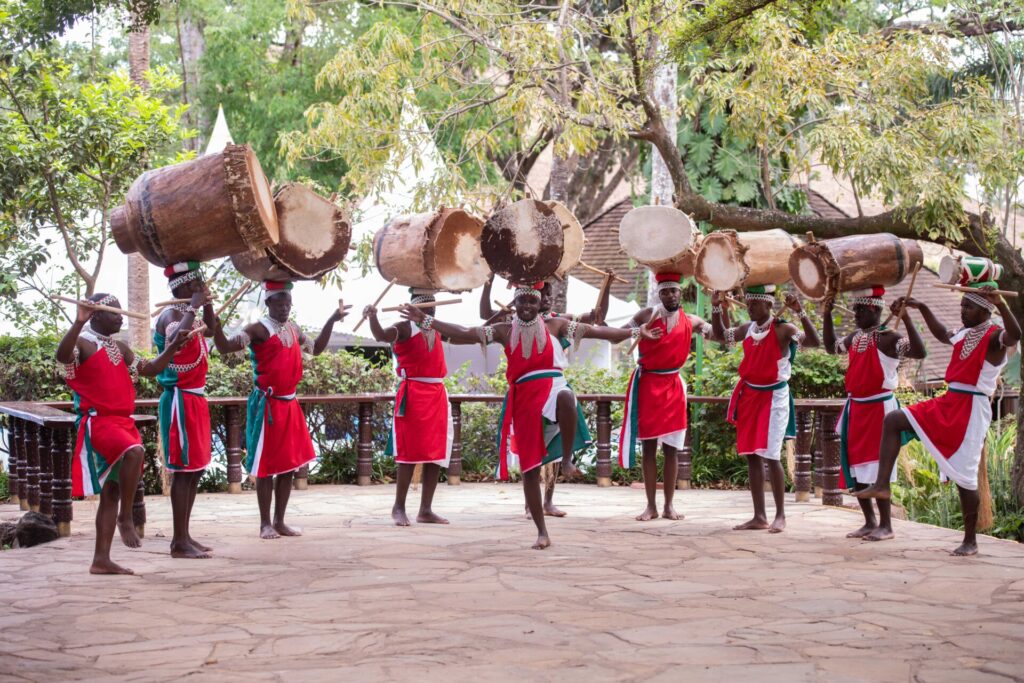
For this conference we were required to do the editing of photos and editing the video footage for each session. This included the Plenary, 4 x Break Aways and Vox Pop interviews and formal interviews. These were then sent to Johannesburg Head Office where they were downloaded and edited and we were able to transfer to the client for upload to social media. At the end of each day Shane our Photographer, Yuneil and Ian edited the days sessions of approximately 8 hours into Day Highlights of 3mins to be shown the following day in the Opening Session in the Plenary Room. These was then further edited into one highlight video of the entire event. This was made up of Conference content as well as the local entertainment provided at the beginning and end of each day.
Reports
Isabel was rapporteur for the key sessions as well as drafting the interview key questions and layout. Media Advisory and Pess Releases were done prior to the event and sent to various media houses. On-Site Isabel put together the Human Interest Stories, Participant Stories and an Event Report that were written and uploaded to the client post event.
We took the precaution of taking the live recordings and getting them transcribed so that nothing was left out as there was 5 venues running simultaneously.
Communication Efficiency
Through constant telecommunication with the UNFPA and all their key personnel before and during the event we all kept abreast of the changes and additions that needed to be achieved.
Constant group conference calls within our team, on site and Jhb lead to a good flow of information and we were all updated as soon as things were changing. The client was extremely happy with our attentiveness, quality of production and ability to adjust the pre-conference and onsite challenges.
Daily de-briefing meetings were held at the end of each day, headed up by Sydney Tetteh Hushie, Regional Innovation Specialist of the
United Nations Population Fund, and the rest of the onsite UNFPA group with our relevant Project Managers.
These meetings were very constructive discussing the challenges faced and how to overcome or change, and discuss the following days objectives and improvements that had to be made. Information and Instructions for any changes were immediately sent through to our Jhb office for actioning, and the on-site technicians were briefed for the next day.
Our client was very happy with our services on site and the end result. The objection of the Harmful Practices and FGM Innovation Summit was to showcase new innovative ideas on how to tackle these issues and the presenters were able to get their ideas and experiences across in a clear and concise way. A lot of Networking was done as well as gathering of information from the interviews that were done. All this information was then distributed to the various sites and multi media platforms by the UNFPA.
The Event ran according to plan and brought a lot of influential and innovative people together to network and discuss the way forward. There were many youth involved sharing their experiences and what they themselves have been through and how they are involved in various initiatives in the rural areas. They shared their achievements thus far and their goals and ideas for the success of their projects. Innovation was the key talking point and this was discussed highlighting the challenges in the rural areas and countries facing infrastructure problems. The Delegates came away from this summit more informed and filled with new ideas.
Even though we were working on site in Nairobi and editing in Jhb, the process set up worked smoothly. There were then a lot of changes on the graphics etc for the various speaker slides, media cards, that took a lot of time. This was a logistically and time wise difficult project, but we delivered above and beyond. We proved to ourselves we can overcome whatever challenges are given to us, We encountered many challenges which we were able to overcome and in a very tight time frame. Astral Media as a team stood up to the challenge and produced a well executed and informative event.

