


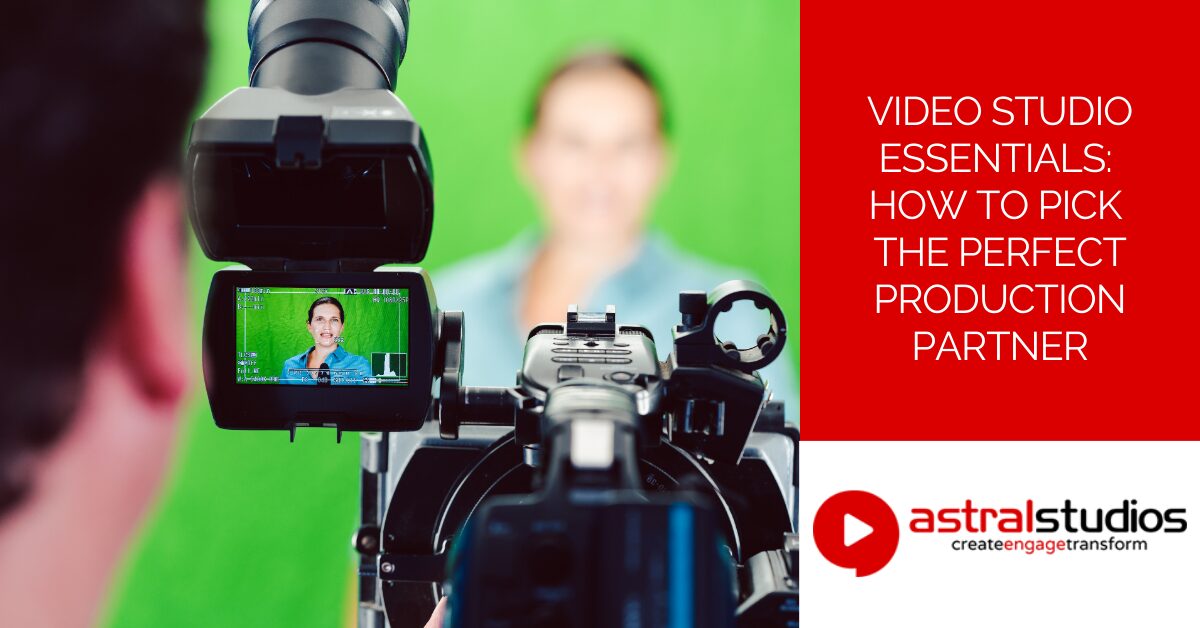
Video Studio Essentials: How to Pick the Perfect Production Partner
Last Updated: 2 years ago by Astral Studios Staff
I remember when I first walked into a professional video studio in Johannesburg. The space was buzzing with creativity. Lights were perfectly positioned, the backdrops were immaculate, and the energy was palpable. That moment made me realise the sheer potential of a well-equipped video studio. It’s more than just a room with cameras; it’s where stories come to life.
The Impact of a Well-Equipped Video Studio on Production Quality
A well-equipped video studio is essential for high-quality video production. The right equipment and setup can make a significant difference in the final product. From the clarity of the visuals to the crispness of the audio, every element plays a role in crafting a professional video. Investing in or finding the right video studio can elevate your projects and ensure they stand out.
Finding the Right Video Studio Near You
Tips for Locating a Video Studio
Finding the perfect video studio for your needs can be a daunting task, but with the right approach, you can locate a studio that meets all your requirements. Here are some detailed tips to guide you through the process:
Research Online
Start with a thorough online search. Use specific keywords like “video studio near me,” “video production company,” “green screen studio,” and “video studio rental” to find local options. Here’s how to make the most of your online research:
- Search Engines: Use Google or Bing to search for video studios in your area. Pay attention to the local business listings and map results.
- Directories: Check online directories such as Clutch and The Manifest. These platforms often provide reviews, ratings, and detailed information about the services offered by different studios.
- Social Media: Platforms like Facebook, Instagram, and LinkedIn can also be valuable resources. Many video studios maintain active social media profiles where they showcase their work and interact with clients.
Read Reviews and Testimonials
Client reviews and testimonials offer valuable insights into the quality and reliability of a video studio. Here’s what to look for:
- Consistency: Look for studios with consistently positive reviews. This indicates a high level of customer satisfaction.
- Specific Feedback: Pay attention to specific feedback about the studio’s equipment, facilities, and customer service. Detailed reviews can give you a clearer picture of what to expect.
- Negative Reviews: Don’t disregard negative reviews. Instead, see how the studio responded to the criticism. A professional, constructive response can be a good sign of their commitment to client satisfaction.
Visit Studio Websites
Once you have a list of potential studios, visit their websites to gather more information. Look for the following details:
- Services Offered: Ensure the studio offers the specific services you need, such as green screen capabilities, video studio lighting equipment, or editing services.
- Equipment List: A comprehensive list of available equipment can help you determine if the studio is well-equipped for your project.
- Portfolio: Check their portfolio to see examples of previous work. This can give you a sense of the studio’s style and quality.
- Rates and Availability: Look for information on pricing and availability. Some studios may offer package deals or discounts for longer bookings.
Ask for Recommendations
Personal recommendations can be incredibly valuable. Reach out to colleagues, industry peers, or members of local film and video production communities. Here’s how to go about it:
- Professional Networks: Use platforms like LinkedIn to connect with industry professionals who might have experience with local studios.
- Film and Video Groups: Join local film and video production groups or associations. These communities often have members who can provide recommendations based on their own experiences.
- Friends and Colleagues: Ask friends and colleagues who have worked on video projects. Personal experiences can offer reliable insights.
Visit Potential Studios
If possible, schedule visits to potential studios. Seeing the space in person can help you assess its suitability for your project. Here’s what to look for during your visit:
- Space and Layout: Ensure the studio has enough space for your needs. Check the layout to see if it’s conducive to your type of production.
- Equipment Condition: Inspect the equipment to ensure it’s well-maintained and in good working order.
- Lighting and Acoustics: Pay attention to the lighting setup and the studio’s acoustics. Good lighting and soundproofing are crucial for high-quality video production.
- Cleanliness and Organization: A clean, well-organized studio indicates a professional operation. It also ensures a more efficient and pleasant working environment.
Evaluate Customer Service
Good customer service is essential for a smooth production experience. Here’s how to evaluate it:
- Responsiveness: Pay attention to how quickly the studio responds to your inquiries. Prompt communication is a good sign of professionalism.
- Staff Knowledge: The staff should be knowledgeable and able to answer your questions about the studio’s equipment, services, and policies.
- Flexibility: Check if the studio is willing to accommodate your specific needs and schedule. Flexibility can be crucial, especially for complex or last-minute projects.
By following these tips, you can find a video studio that not only meets your technical requirements but also provides a supportive and professional environment for your video production needs.
What to Look for in a Video Production Company
Choosing the right video production company is crucial for the success of your project. Here are some key factors to consider in detail:
Experience
Proven Track Record
Experience matters in video production. A company with a long history in the industry has likely faced and overcome various challenges, refining their skills and processes along the way. Look for companies with a solid track record of completed projects and satisfied clients.
- Years in Business: Companies that have been in business for several years are more likely to deliver consistent, high-quality results.
- Diverse Project Experience: Ensure they have experience with different types of video projects, such as corporate videos, commercials, documentaries, and creative content. This versatility often translates to better problem-solving skills and adaptability.
Portfolio
Quality and Style
A company’s portfolio is a window into their capabilities and style. Reviewing their previous work can help you determine if they are the right fit for your project.
- Video Quality: Look for high-definition videos with clear, sharp images and good audio quality. Poor-quality work is a red flag.
- Creativity: Pay attention to the creativity and originality of their videos. Does their work stand out, or does it feel generic?
- Consistency: Ensure their portfolio shows consistent quality across different projects. Consistency is key to ensuring they can deliver what they promise.
- Alignment with Your Vision: Check if their style aligns with your vision. If you like their work and can see your project fitting in their portfolio, they are likely a good match.
Client Reviews
Reliability and Professionalism
Client reviews and testimonials are invaluable for gauging a company’s reliability and professionalism.
- Positive Feedback: Look for companies with a high number of positive reviews. This indicates a track record of satisfied clients.
- Detailed Reviews: Pay attention to detailed reviews that mention specific aspects of the production process, such as communication, adherence to deadlines, and quality of work.
- Response to Criticism: See how the company responds to negative reviews. A professional and constructive response can indicate a commitment to client satisfaction and continuous improvement.
- Case Studies: Some companies provide case studies or detailed project descriptions that showcase their problem-solving skills and ability to meet client needs.
Services Offered
Comprehensive Capabilities
Different projects require different services. Ensure the company offers the specific services you need.
- Pre-Production Services: These may include scriptwriting, storyboarding, location scouting, and casting. Effective pre-production planning is essential for a smooth production process.
- Production Services: Look for advanced video studio lighting equipment, high-quality cameras, green screen capabilities, and professional sound equipment. These tools are crucial for capturing high-quality footage.
- Post-Production Services: Editing, colour correction, sound design, and visual effects are important for the final polish of your video. Check if the company has a skilled post-production team.
- Specialised Services: If you need specific services like live streaming, animation, or drone footage, ensure the company has the necessary expertise and equipment.
Budget
Cost vs. Quality
While it’s important to stay within budget, the cheapest option isn’t always the best. Aim for a balance between cost and quality.
- Transparent Pricing: Look for companies that provide clear and detailed pricing information. Avoid those with hidden fees or ambiguous quotes.
- Value for Money: Assess what you are getting for the price. A slightly more expensive company may offer significantly better quality and service.
- Package Deals: Some companies offer package deals that can provide better value for money. For example, a package might include all pre-production, production, and post-production services at a discounted rate.
- Flexibility: Check if the company is willing to negotiate or customise their services to fit your budget. This can be particularly helpful for smaller projects or startups.
Additional Considerations
Communication and Collaboration
Good communication and a collaborative approach are crucial for a successful project.
- Responsive Communication: The company should be responsive and easy to communicate with. Clear and prompt communication helps ensure that your project stays on track.
- Collaborative Approach: Look for a company that values your input and collaborates closely with you throughout the project. This ensures that the final product aligns with your vision and expectations.
- Project Management: Effective project management skills are essential for coordinating schedules, managing resources, and ensuring timely delivery.
By carefully considering these factors, you can choose a video production company that not only meets your technical requirements but also provides a professional and collaborative environment, ensuring the success of your project.
Evaluating Video Studio Equipment and Facilities
When visiting a potential video studio, it’s essential to assess the equipment and facilities thoroughly. Here’s a detailed guide on what to look for:
Cameras and Lenses
High-quality cameras and a variety of lenses are crucial for capturing professional-grade footage.
- Camera Quality: Look for studios equipped with high-definition or 4K cameras. These offer superior image quality, which is essential for professional video production.
- Variety of Lenses: Different lenses serve different purposes. Ensure the studio has a range of lenses, such as wide-angle, telephoto, and macro lenses, to accommodate various shooting requirements.
- Camera Accessories: Check for additional accessories like tripods, stabilizers, and gimbals. These tools help achieve stable and dynamic shots.
Lighting Equipment
Proper lighting is fundamental to creating a professional video.
- Lighting Types: Ensure the studio has various lighting options, including softboxes, LED panels, and spotlights. Each type serves a different purpose and contributes to the overall lighting setup.
- Adjustability: Good lighting equipment should be adjustable to create the desired atmosphere. Look for lights with dimming capabilities and colour temperature control.
- Light Modifiers: Check for light modifiers like reflectors, diffusers, and grids. These help control the light and create different effects.
- Lighting Setup: Observe the studio’s overall lighting setup. It should be versatile enough to accommodate different types of shoots, from interviews to product videos.
Sound Equipment
Audio quality is just as important as video quality. Here’s what to look for:
- Microphones: Professional microphones, such as lavalier, shotgun, and condenser mics, are essential for capturing clear audio. Ensure the studio has a variety of microphones to suit different recording needs.
- Audio Interfaces and Mixers: High-quality audio interfaces and mixers are crucial for managing sound levels and ensuring the best audio quality.
- Soundproofing: Check the studio’s soundproofing. Good soundproofing ensures that external noise doesn’t interfere with your recording.
- Acoustic Treatment: Look for acoustic panels, bass traps, and diffusers. These treatments improve the sound quality by reducing echoes and reverberations.
Backdrops and Sets
A variety of backdrops and sets can significantly enhance your production value.
- Backdrop Variety: Ensure the studio offers a range of backdrops, including solid colours, textured backgrounds, and custom options. This variety allows for greater creative flexibility.
- Condition of Backdrops: Inspect the condition of the backdrops. They should be clean, wrinkle-free, and well-maintained.
- Set Options: Check if the studio has pre-built sets or the ability to create custom sets. Pre-built sets can save time, while custom sets allow for more creativity.
- Props and Furniture: Inquire about the availability of props and furniture. These elements can add realism and depth to your scenes.
Green Screen Capabilities
If you need a green screen, ensure the studio has the necessary facilities.
- Green Screen Size: The green screen area should be large enough to accommodate your needs. Consider the space required for your subjects and any movement within the frame.
- Lighting for Green Screen: Proper lighting is critical for green screen work. The studio should have dedicated lights for the green screen to avoid shadows and ensure even lighting.
- Condition of Green Screen: Check the condition of the green screen. It should be smooth, free of wrinkles, and clean. Any imperfections can affect the final compositing.
- Post-Production Services: Ask if the studio offers post-production services to handle the green screen compositing. Expert post-production can seamlessly integrate your green screen footage with the desired background.
Additional Equipment and Facilities
Beyond the basics, some additional equipment and facilities can enhance your production experience:
- Editing Suites: A well-equipped editing suite with professional software (like Adobe Premiere Pro or Final Cut Pro) and powerful computers can streamline the post-production process.
- Control Room: If the studio handles live broadcasts or multi-camera setups, a control room with switching equipment and monitors is essential.
- Comfort Facilities: Ensure the studio has comfortable waiting areas, dressing rooms, and restrooms. These facilities contribute to a better overall experience for your team and talent.
- Technical Support: Ask about the availability of technical support during your shoot. Having a technician on hand can quickly resolve any issues that arise.
By paying close attention to these details, you can ensure that the video studio you choose is well-equipped and capable of meeting your production needs. A well-evaluated studio not only enhances the quality of your video but also contributes to a smoother and more efficient production process.
Green Screen Studio: Expanding Your Creative Horizons
Benefits of Using a Green Screen
A green screen studio opens up endless possibilities for creativity. It allows you to place your subjects in any background, whether it’s a bustling cityscape or a serene beach. This versatility is invaluable for many types of productions, from corporate videos to creative projects.
Versatility
- Unlimited Background Options: With a green screen, you can place your subjects in virtually any setting. Whether you need a tropical beach, a futuristic cityscape, or an outer space scene, a green screen makes it possible without having to leave the studio.
- Cost-Effective: Using a green screen can save money on location shoots. You can achieve the same visual impact without the travel, logistics, and expenses associated with shooting on location.
- Time-Saving: Green screen work can streamline production schedules. Instead of coordinating multiple locations, you can shoot everything in one place and add the backgrounds in post-production.
Enhanced Creativity
- Visual Effects Integration: Green screens are essential for integrating visual effects (VFX). Whether it’s adding CGI elements, creating fantasy worlds, or compositing complex scenes, green screens make it all possible.
- Storytelling Flexibility: You can take your audience anywhere your story needs to go. This flexibility is especially useful for creative projects like music videos, short films, and commercials.
- Professional Appearance: Green screens can give your videos a polished, professional look. When done correctly, the audience will never know the backgrounds were added in post-production.
Consistency and Control
- Controlled Environment: Shooting with a green screen allows for complete control over lighting, sound, and other environmental factors. This consistency is crucial for maintaining quality across multiple scenes or takes.
- Weather Independence: You’re not at the mercy of the weather. A green screen studio provides a controlled environment where you can create the perfect conditions every time.
- Reshoots and Edits: Green screen footage is easier to adjust in post-production. If you need to change a background or tweak a scene, you can do so without reshooting the entire scene.
Questions to Ask About Green Screen Studios
Before committing to a green screen studio, it’s important to ask the right questions to ensure they meet your project needs.
Size and Setup
- How large is the green screen area? Ensure the space is sufficient for your project’s needs, especially if you require full-body shots or have multiple subjects.
- Is the green screen properly set up? The green screen should be smoothly stretched and free of wrinkles. This ensures a clean keying process in post-production.
Lighting
- Does the studio have adequate lighting equipment to eliminate shadows? Proper lighting is critical for green screen work. The studio should have a range of lighting options, including softboxes, LED panels, and overhead lights to ensure even illumination.
- Can the lighting be adjusted? Flexibility in lighting is important to create the right conditions for different types of shots.
Post-Production Services
- Do they offer post-production services to integrate the green screen footage seamlessly into your project? Expert post-production services are crucial for achieving high-quality results. Ask about their experience with keying and compositing green screen footage.
- What software do they use for post-production? Ensure they use professional-grade software like Adobe After Effects or Nuke for compositing.
Examples of Work
- Can you provide examples of previous green screen projects? Reviewing their past work will give you an idea of their expertise and the quality of their output. Look for creativity, seamless integration, and overall production value.
Examples of Creative Uses for Green Screen Technology
Green screen technology can be used in various creative ways to enhance your video projects.
Corporate Videos
- Virtual Environments: Place executives in dynamic virtual environments that reflect your brand. This can include modern offices, conference rooms, or branded backgrounds.
- Product Demonstrations: Create engaging product demos with animated backgrounds or interactive elements to highlight features and benefits.
- Training Videos: Use green screen to create consistent and professional training videos with custom backgrounds relevant to the training content.
Educational Content
- Interactive Lessons: Create visually appealing and interactive educational videos. Use green screen to place educators in front of relevant graphics, maps, or animated illustrations.
- Virtual Field Trips: Take students on virtual field trips to historical sites, scientific environments, or cultural landmarks without leaving the classroom.
- Science Experiments: Demonstrate science experiments with virtual backgrounds that illustrate complex concepts or environments, such as outer space or underwater ecosystems.
Marketing Campaigns
- Unique Advertisements: Develop eye-catching advertisements with varied backgrounds. Use green screen to place actors or products in imaginative and memorable settings.
- Seasonal Promotions: Easily create seasonal promotions by changing the background to match holidays or special events.
- Brand Storytelling: Tell compelling brand stories by transporting viewers to different locations or time periods relevant to your brand’s narrative.
Creative Projects
- Music Videos: Unleash your imagination by placing musicians in fantastical settings or surreal environments that enhance the song’s theme.
- Short Films: Create short films with diverse locations and effects without the need for multiple shoots. This is especially useful for indie filmmakers on a budget.
- Art Projects: Use green screen to explore experimental and artistic video projects. Combine live-action with animation or other visual effects to create unique and original works.
By leveraging the versatility and creative potential of a green screen studio, you can elevate your video productions and bring your most ambitious ideas to life.
Video Studio Essentials: What to Expect
Key Elements of a Well-Equipped Video Studio
A well-equipped video studio is vital for producing high-quality content. When evaluating a studio, look for the following essential elements:
Cameras
High-definition cameras are crucial for capturing clear, detailed footage.
- Multiple Camera Options: A good studio should offer a variety of camera options, including DSLR, mirrorless, and cinema cameras. This flexibility allows you to choose the best camera for your specific shoot.
- Resolution: Look for studios with cameras that offer at least 1080p resolution, though 4K or higher is preferable for future-proofing your content.
- Accessories: Check if the studio provides essential camera accessories, such as tripods, sliders, and gimbals, which help achieve smooth, professional shots.
Lighting
Good lighting can dramatically improve the quality of your video.
- Comprehensive Lighting Equipment: Ensure the studio has a range of lighting equipment, including softboxes, LED panels, spotlights, and ring lights. Each type serves different purposes and can create various lighting effects.
- Adjustability: The lighting equipment should be adjustable in terms of intensity and colour temperature. This flexibility allows you to create the perfect lighting setup for your shoot.
- Light Modifiers: Look for light modifiers like diffusers, reflectors, and barn doors. These tools help shape and control the light to achieve the desired look.
Backdrops
A variety of backdrops is essential for creating different moods and settings.
- Versatile Backdrop Options: The studio should offer multiple backdrop options, including solid colours, textured backgrounds, and green screens. This variety enables you to create different looks and settings without changing locations.
- Condition: Ensure the backdrops are clean, wrinkle-free, and well-maintained. A pristine backdrop enhances the professionalism of your video.
- Custom Backdrops: Some studios may offer custom backdrops or the ability to create your own. This option provides additional creative flexibility.
Soundproofing
Sound quality is as important as video quality. A soundproofed studio ensures clear audio without external noise interference.
- Soundproofing Materials: Look for studios with proper soundproofing materials, such as acoustic panels, foam, and bass traps. These materials absorb and reduce noise, improving audio clarity.
- Isolation: The studio should be isolated from external noise sources, such as traffic or neighbouring rooms. This ensures a quiet environment for recording.
- Microphones and Audio Equipment: Check if the studio offers high-quality microphones (e.g., lavalier, shotgun, condenser) and audio equipment (e.g., mixers, recorders) for capturing clear sound.
Editing Suite
Some studios offer in-house editing services, providing a convenient one-stop solution for your production needs.
- Professional Editing Software: The studio should have access to industry-standard editing software, such as Adobe Premiere Pro, Final Cut Pro, or DaVinci Resolve. These tools offer advanced features for high-quality editing.
- Experienced Editors: Look for studios with experienced editors who can handle colour correction, sound design, and visual effects. Their expertise can significantly enhance the final product.
- Comfortable Workspace: The editing suite should be comfortable and well-equipped, with powerful computers and large monitors for detailed work.
Importance of Good Lighting, Backdrops, and Studio Design
Good lighting and backdrops are crucial for creating professional videos. Proper lighting enhances the visual appeal and ensures that your subjects are well-lit and clear. Here’s why these elements are important:
Lighting
Proper lighting sets the tone and mood of your video.
- Visual Appeal: Good lighting enhances the overall visual quality, making your video look more polished and professional.
- Mood and Atmosphere: Different lighting setups can create various moods and atmospheres, from dramatic to cheerful. This helps convey the right message and emotion.
- Subject Visibility: Proper lighting ensures that your subjects are clearly visible, highlighting important details and expressions.
Backdrops
Versatile backdrops add variety to your videos.
- Setting and Context: Different backdrops can create various settings and contexts, enhancing the storytelling aspect of your video.
- Professional Look: Clean, well-maintained backdrops contribute to a professional appearance, making your content more engaging and credible.
- Creative Flexibility: Having multiple backdrop options allows you to experiment with different looks and styles, adding visual interest to your videos.
Studio Design
The design of the studio should facilitate ease of movement and flexibility.
- Spacious Layout: A spacious studio allows for easy movement of crew and equipment, reducing the risk of accidents and enabling efficient setup and teardown.
- Organized Equipment: Well-organized equipment storage and workspaces streamline the production process, saving time and reducing stress.
- Comfortable Environment: A comfortable, well-designed studio enhances the working experience for everyone involved, leading to better overall production quality.
Role of the Video Studio Manager in Ensuring Quality
A video studio manager plays a vital role in maintaining the quality and efficiency of the studio. Their responsibilities include:
Equipment Maintenance
Ensuring all equipment is in good working order and up-to-date.
- Regular Inspections: The manager should conduct regular inspections of cameras, lighting, and audio equipment to ensure they are functioning correctly.
- Repairs and Upgrades: Prompt repairs and necessary upgrades keep the studio’s equipment in optimal condition, preventing disruptions during shoots.
- Inventory Management: Keeping an accurate inventory of all equipment ensures that nothing is missing or damaged, and helps in planning shoots effectively.
Scheduling
Coordinating studio bookings to avoid conflicts and ensure smooth operations.
- Efficient Booking System: An efficient booking system helps manage studio time, preventing double bookings and ensuring that each client has the necessary time and resources for their shoot.
- Timely Communication: The manager should communicate with clients to confirm bookings and discuss specific needs or changes, ensuring a smooth workflow.
- Flexibility: Being flexible with scheduling can accommodate last-minute changes or urgent projects, enhancing client satisfaction.
Technical Support
Providing technical assistance and troubleshooting any issues that arise during shoots.
- On-Site Assistance: The manager should be available on-site to assist with setting up equipment, adjusting lighting, and resolving any technical issues that occur during the shoot.
- Troubleshooting Skills: Having the skills to quickly diagnose and fix problems ensures minimal downtime and keeps the production on schedule.
- Training and Support: Offering training and support to clients on using the studio’s equipment can enhance the overall production quality and experience.
Quality Control
Overseeing the production process to maintain high standards and meet client expectations.
- Attention to Detail: The manager should ensure that all aspects of the production meet the studio’s quality standards, from lighting setups to sound recording.
- Client Feedback: Gathering and acting on client feedback helps improve the studio’s services and maintain high client satisfaction.
- Continuous Improvement: The manager should stay updated with industry trends and advancements, continually seeking ways to enhance the studio’s capabilities and services.
By understanding and prioritizing these elements, you can ensure that your chosen video studio is well-equipped to meet your production needs, resulting in high-quality, professional videos.
Choosing the Best Video Production Company
How to Assess a Video Production Company’s Portfolio
When choosing a video production company, their portfolio is one of the most important factors to consider. Here’s how to assess it effectively:
Diversity
A diverse portfolio showcases the company’s versatility and ability to handle various genres. Here’s what to look for:
- Range of Projects: Look for a mix of corporate videos, commercials, documentaries, music videos, and creative content. This diversity indicates the company’s ability to adapt to different styles and requirements.
- Target Audience: Check if the company has experience creating content for different audiences, such as B2B, B2C, educational, and entertainment sectors. This versatility suggests they can tailor their approach to suit your specific needs.
Quality
Quality is a non-negotiable aspect of video production. Assess the following elements to gauge the quality of their work:
- Visuals: High-definition (HD) or 4K resolution, sharp images, and good use of colour and lighting are all signs of high-quality video production. Pay attention to the clarity and detail in their videos.
- Audio: Clear, crisp audio is crucial. Poor sound quality can ruin an otherwise excellent video. Listen for consistent audio levels, minimal background noise, and professional sound design.
- Editing: Professional editing includes smooth transitions, appropriate pacing, and effective use of visual effects. Look for polished, cohesive videos that flow well and hold the viewer’s attention.
- Storytelling: Good videos tell a compelling story. Evaluate how well the company conveys messages and emotions through their work.
Style
The company’s style should align with your vision. Here’s how to determine if they’re a good fit:
- Creative Approach: Different production companies have unique creative styles. Some may focus on sleek, corporate aesthetics, while others may have a more artistic or cinematic approach. Choose a company whose style resonates with you.
- Consistency: Look for consistency in their portfolio. A company with a strong, recognizable style is likely to produce high-quality work consistently.
- Adaptability: While having a distinct style is important, the company should also be able to adapt to your specific needs and preferences. Ensure they can tailor their approach to match your vision.
Importance of Experience and Client Reviews
Experience and client reviews are crucial indicators of a video production company’s reliability. Here’s why they matter:
Experience
A company with years of experience has likely encountered and overcome many challenges. This experience translates into smoother productions and higher-quality results.
- Industry Knowledge: Experienced companies understand the nuances of video production, from pre-production planning to post-production editing. They are better equipped to handle unexpected issues and ensure a seamless production process.
- Proven Track Record: A company with a long history of successful projects is more likely to deliver reliable and high-quality results. Look for a company with a solid track record in producing videos similar to what you need.
Client Reviews
Client reviews and testimonials provide insights into the company’s professionalism, work ethic, and client satisfaction.
- Positive Feedback: Look for companies with a high number of positive reviews. This indicates a track record of satisfied clients and successful projects.
- Detailed Reviews: Pay attention to detailed reviews that mention specific aspects of the production process, such as communication, adherence to deadlines, and the quality of the final product.
- Case Studies: Some companies provide case studies or detailed project descriptions that showcase their problem-solving skills and ability to meet client needs. These can give you a deeper understanding of their capabilities and approach.
Questions to Ask Before Hiring a Video Production Company
Before making a final decision, ask the following questions to ensure you’re choosing the right company:
What Services Do You Offer?
Ensure they provide all the services you need, from pre-production to post-production.
- Pre-Production: Scriptwriting, storyboarding, location scouting, and casting are essential for planning and organizing your shoot.
- Production: Filming, directing, and managing the shoot. Ensure they have the necessary equipment and expertise.
- Post-Production: Editing, colour correction, sound design, and visual effects. A company that handles all stages of production can provide a seamless experience.
Can You Provide References?
Speaking with past clients can give you a better understanding of the company’s strengths and weaknesses.
- Contact Information: Ask for references and contact information for previous clients. Speaking directly with former clients can provide valuable insights.
- Project Details: Inquire about the types of projects they’ve worked on and how they handled specific challenges. This can give you a sense of their problem-solving skills and adaptability.
What is Your Turnaround Time?
Make sure their timeline aligns with your project deadlines.
- Project Schedule: Ask about their typical turnaround time for projects similar to yours. Ensure their schedule can accommodate your deadlines.
- Flexibility: Inquire about their flexibility in handling urgent or last-minute projects. A company that can adapt to changing timelines is a valuable partner.
Do You Have Insurance?
Insurance is important to cover any potential damages or accidents during production.
- Liability Coverage: Ensure the company has liability insurance to cover any accidents or damages that may occur during the shoot.
- Equipment Insurance: Check if their equipment is insured. This can protect you from potential costs if any rented equipment is damaged or lost.
What is Your Pricing Structure?
Understand their pricing model and ensure it fits within your budget.
- Detailed Quote: Request a detailed quote that outlines all costs, including pre-production, production, and post-production expenses. This transparency helps you budget accurately.
- Payment Terms: Inquire about their payment terms and schedule. Understanding when payments are due can help you manage your cash flow.
- Additional Costs: Ask about any potential additional costs, such as overtime charges, travel expenses, or fees for extra services. Clarifying these details upfront can prevent surprises later.
By asking these questions and carefully evaluating their answers, you can ensure that you choose a video production company that meets your needs, fits your budget, and has the experience and expertise to deliver high-quality results.
Conclusion: The Future of Video Production
Trends in Video Production
The world of video production is evolving rapidly. Keeping up with the latest trends can give you an edge in creating engaging and innovative content. Here are some trends that are shaping the future of video production:
- Virtual Reality (VR) and Augmented Reality (AR): These technologies are becoming more accessible and are being used to create immersive and interactive video experiences. Whether for gaming, training, or marketing, VR and AR offer unique ways to engage audiences.
- Live Streaming: Live streaming continues to grow in popularity. It allows real-time interaction with viewers, making it a powerful tool for events, webinars, and social media engagement.
- Personalized Content: With advancements in data analytics, creating personalized video content tailored to individual viewer preferences is becoming more prevalent. This approach can significantly enhance viewer engagement and retention.
- Short-Form Videos: Platforms like TikTok and Instagram Reels have popularized short-form videos. These quick, engaging snippets are ideal for capturing attention in a fast-paced digital world.
- 360-Degree Videos: Offering a fully immersive experience, 360-degree videos are being used in various fields, from virtual tours to interactive storytelling.
The Evolving Role of Video Studios in Various Industries
Video studios play an increasingly important role across different industries. Their evolution reflects the growing demand for high-quality video content. Here’s how video studios are impacting various sectors:
- Corporate Sector: Businesses use video for a wide range of purposes, including marketing, training, internal communications, and product demonstrations. Professional video studios help companies create polished, effective videos that resonate with their target audience.
- Education: Educational institutions leverage video studios to produce engaging online courses, lectures, and instructional materials. High-quality video content enhances the learning experience and makes education more accessible.
- Entertainment: The entertainment industry relies heavily on video studios for producing movies, TV shows, music videos, and more. Advanced video production facilities are essential for creating visually stunning and professionally edited content.
- Non-Profits and NGOs: These organizations use video to tell compelling stories, raise awareness, and drive fundraising efforts. A well-equipped video studio helps them produce impactful videos that can reach a wide audience.
- Government Departments: Government agencies utilize video for public announcements, training programs, and informational campaigns. Professional video studios ensure that their content is clear, engaging, and effective.
Final Thoughts on Choosing the Right Video Studio
Choosing the right video studio is a critical decision that can greatly impact the success of your project. Here are some final tips to help you make the best choice:
- Do Your Research: Take the time to research potential studios thoroughly. Look at their equipment, facilities, and previous work to ensure they meet your needs.
- Visit the Studio: If possible, visit the studio in person. This allows you to assess the space, equipment, and overall environment firsthand.
- Ask the Right Questions: Don’t hesitate to ask detailed questions about their services, pricing, availability, and previous projects. The more information you have, the better equipped you’ll be to make an informed decision.
- Check Reviews and References: Client reviews and references provide valuable insights into the studio’s reliability and quality of work. Reach out to past clients if possible to get their feedback.
- Consider the Team: The expertise and professionalism of the studio’s team are just as important as the equipment and facilities. Ensure they have the skills and experience to bring your vision to life.
In conclusion, a well-chosen video studio can elevate your video production, ensuring that your content is professional, engaging, and impactful. By considering all the factors discussed in this guide, you can find the perfect studio to meet your needs and help you achieve your production goals.
Unlock Your Creative Potential
Choosing the right video studio and production company can make all the difference in bringing your vision to life. Whether you need a green screen studio for creative projects, high-quality equipment for corporate videos, or expert post-production services, finding the perfect partner is essential.
For top-notch video production services, consider Astral Studios. Based in Johannesburg, Astral Studios offers a comprehensive range of services to meet all your video production needs. With years of experience, a diverse portfolio, and a commitment to excellence, we are equipped to handle projects of any scale and style.
Ready to take your video production to the next level? Contact Astral Studios today to learn more about our services and how we can help you create compelling, professional videos that captivate your audience. Don’t settle for anything less than the best – choose Astral Studios and see your vision come to life with stunning clarity and creativity.
FAQ
1. What is a video studio, and why is it important for video production?
A video studio is a controlled environment equipped with professional cameras, lighting, soundproofing, and other essential tools for video production. It’s important because it provides the necessary infrastructure to produce high-quality videos, ensuring clear visuals, crisp audio, and a professional look.
2. What should I look for when choosing a video production company?
When choosing a video production company, consider their experience, portfolio, client reviews, range of services offered, and pricing structure. Look for a diverse and high-quality portfolio that aligns with your vision, positive client testimonials, and a company with a proven track record in the industry.
3. How do I assess the quality of a video production company’s portfolio?
Assess the portfolio by looking at the diversity of projects, the quality of visuals and audio, and the style of the videos. High-definition visuals, clear audio, professional editing, and effective storytelling are key indicators of a competent company.
4. Why is experience important when selecting a video production company?
Experience is crucial because it indicates the company’s ability to handle various challenges and deliver consistent, high-quality results. An experienced company has refined its processes over time and is better equipped to manage complex projects.
5. What questions should I ask a video production company before hiring them?
Ask about the services they offer, their turnaround time, insurance coverage, and pricing structure. Specific questions include:
- What pre-production, production, and post-production services do you provide?
- Can you provide references from past clients?
- What is your typical turnaround time for projects similar to mine?
- Do you have insurance to cover potential damages or accidents?
- What is your pricing structure, and are there any additional costs I should be aware of?
6. What are the key elements of a well-equipped video studio?
A well-equipped video studio should have high-definition cameras, comprehensive lighting equipment, a variety of backdrops, soundproofing, and an editing suite. These elements ensure high-quality production and a professional result.
7. How important is lighting in a video studio?
Lighting is crucial as it sets the tone and mood of your video, ensures subjects are well-lit and clear, and enhances the overall visual quality. Proper lighting helps create a professional and polished look.
8. What should I consider when evaluating a green screen studio?
When evaluating a green screen studio, consider the size of the green screen area, the quality and adjustability of the lighting, the condition of the green screen, and the availability of post-production services. Proper lighting and a well-maintained green screen are essential for achieving seamless results.
9. How does a video studio manager contribute to the production process?
A video studio manager ensures the quality and efficiency of the production process by maintaining equipment, coordinating studio bookings, providing technical support, and overseeing quality control. Their role is vital in ensuring smooth operations and high standards.
10. Can using a green screen studio save money on location shoots?
Yes, using a green screen studio can save money on location shoots by allowing you to create any background or setting within the studio. This reduces travel, logistics, and location-related expenses, making it a cost-effective solution.
11. How do client reviews and testimonials help in choosing a video production company?
Client reviews and testimonials provide insights into the company’s professionalism, work ethic, and client satisfaction. Positive feedback indicates reliability and quality, while detailed reviews can offer a deeper understanding of their strengths and weaknesses.
12. Why is soundproofing important in a video studio?
Soundproofing is important to ensure clear audio quality by preventing external noise interference. A soundproofed studio creates a controlled environment for recording, resulting in professional-sounding audio.
13. What types of projects can benefit from using a green screen studio?
Projects such as corporate videos, educational content, marketing campaigns, and creative projects like music videos and short films can benefit from using a green screen studio. The versatility of green screens allows for a wide range of creative possibilities.
14. How can I ensure the video production company I choose fits within my budget?
Ensure the company fits within your budget by requesting a detailed quote, understanding their payment terms, and asking about any additional costs. Compare quotes from different companies and balance cost with quality to find the best fit for your project.

