


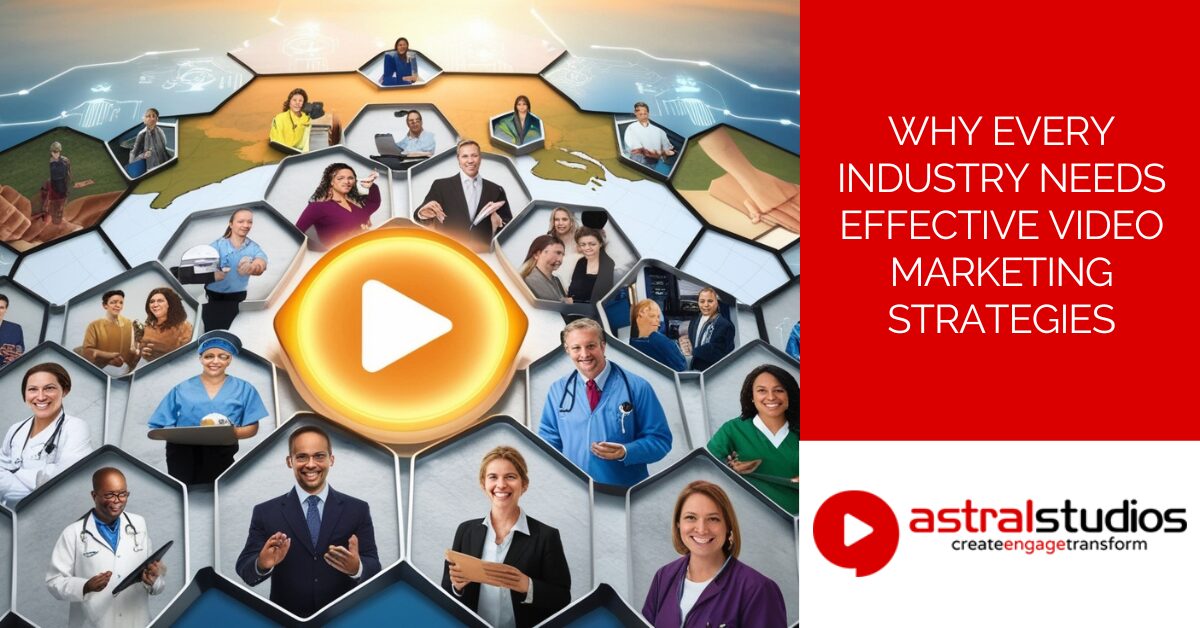
Why Every Industry Needs Effective Video Marketing Strategies
Last Updated: 1 year ago by Astral Studios Staff
When I first started producing videos for businesses, I noticed something crucial. It wasn’t just the flashy footage or high production value that made campaigns successful. Instead, it was the strategy behind the video—the planning, audience understanding, and goal alignment. Every industry has unique challenges and opportunities, making strategy essential. Today, video marketing is no longer a luxury; it’s a necessity. Let’s explore why every industry, from healthcare to education, needs effective video marketing strategies to succeed.
Why Video Marketing Strategies Matter
Video marketing isn’t just about creating appealing content. It’s about crafting a message that resonates with your target audience. The right strategy ensures your content captures attention and drives action. Without a strategy, even the best-shot video can fall flat. An effective video marketing strategy helps your content get noticed and remembered.
Consider this: video marketing statistics show viewers retain 95% of a message in a video, compared to just 10% when reading text. This retention is critical across all industries. The goal is to leave a lasting impression on your audience. Whether you’re a small business owner, corporate executive, or government decision-maker, a well-planned strategy will align your video content with your goals, ensuring maximum impact.
Video Marketing in Healthcare
In healthcare, trust is everything. Patients need confidence in the services and professionals they choose. Video marketing strategies in healthcare build trust by educating patients, showcasing facilities, and sharing success stories.
For example, a hospital might use a promotional video ad to highlight advanced surgical technology, paired with testimonials from successful patients. This approach informs and reassures potential patients, making them feel confident in their choice. Video marketing examples like these combine information and emotion, a vital mix in healthcare.
Additionally, promotional video benefits in healthcare go beyond patient acquisition. They can also train staff or communicate important updates internally. The versatility of video content, backed by a solid strategy, makes it essential in the healthcare sector.
Video Marketing in Retail
Retail is all about engagement. In a crowded market, standing out requires more than just great products. It requires connecting with customers on a personal level. Video marketing strategies in retail help achieve this connection. Whether through product showcases, behind-the-scenes content, or customer testimonials, video creates a more immersive shopping experience.
Consider a company promotional video introducing a new product line. Using video marketing platforms like Instagram or TikTok, retailers can quickly reach a wide audience. This generates buzz and excitement around their offerings. The video marketing advantages in retail are clear: videos show the product in use, highlight key features, and provide interaction that static images can’t match.
Video content also allows for deeper brand connection. For instance, a retailer might create a series of promotional video ads telling a story—perhaps following a product’s journey from concept to shelf. This storytelling approach educates and builds an emotional bond with the audience, turning viewers into loyal customers.
Video Marketing in Hospitality
In hospitality, it’s all about the experience. Potential guests want to know what to expect before booking. Video is the best way to show them. Video marketing strategies in hospitality focus on showcasing unique experiences that hotels, resorts, and destinations offer.
A video marketing strategy for a luxury resort might include virtual tours, guest interviews, and footage of local attractions. These videos can be shared on video marketing platforms like YouTube, reaching a global audience. Video marketing trends in hospitality often feature immersive 360-degree videos and virtual reality experiences. These allow guests to explore a destination from home.
The promotional video benefits in hospitality are significant. Videos increase direct bookings, enhance brand reputation, and offer a competitive edge. By using video to highlight what makes their property unique, hospitality businesses attract more guests and build stronger relationships.
Video Marketing in Technology
The technology sector moves fast, so companies must stay ahead with innovative marketing strategies. Video marketing strategies in this industry are effective for explaining complex products in a digestible way.
For example, a tech company might use promotional video ads to showcase the features of new software. These videos can include demos, customer testimonials, and comparisons with competitors. Video marketing examples like these break down complex information into understandable segments, crucial for converting potential customers.
Video marketing platforms like LinkedIn, YouTube, and industry-specific forums are ideal for distributing tech-related content. These platforms target a professional audience, ensuring the right people see your videos. The video marketing advantages in tech are clear: videos educate and build trust by demonstrating expertise.
Video marketing trends in technology often include live demos, webinars, and how-to videos. These formats allow tech companies to engage directly with customers, answering questions and addressing concerns immediately. This level of engagement through video can significantly enhance customer satisfaction and loyalty.
Video Marketing in Finance
In finance, trust and clarity are essential. Financial products can be complex, and customers need to understand them. Video marketing strategies in finance focus on simplifying products and building trust through clear communication.
A company promotional video for a financial institution might explain a new investment product. Using clear language, it breaks down complicated concepts. This type of content not only educates the audience but also positions the company as a trustworthy source of information. The promotional video benefits in finance include increased customer trust and higher conversion rates.
Video marketing stats show finance-related videos have high engagement rates, especially when explaining complex topics clearly. For example, video marketing examples could include explainer videos on retirement planning, investment strategies, or tax advice. These videos attract and retain clients by providing ongoing value.
Video marketing platforms like YouTube and LinkedIn are effective for distributing financial content. These platforms allow financial institutions to reach a broad audience, from individual investors to corporate decision-makers. The video marketing advantages in finance include enhanced credibility, improved client education, and increased loyalty.
Video Marketing in Nonprofit
For nonprofits, storytelling is crucial. They need to connect emotionally with their audience to inspire action, whether it’s donations, volunteering, or advocacy. Video marketing strategies in the nonprofit sector tell powerful stories that resonate deeply with viewers.
A nonprofit might use a company promotional video to highlight the impact of its work, featuring interviews with those affected by their programs. These videos are often moving, making a strong case for why the organization’s mission is critical. Video marketing examples in the nonprofit sector include fundraising campaigns, awareness-raising videos, and impact stories showcasing real-world differences.
The promotional video benefits in the nonprofit world are substantial. Videos drive higher engagement, increase donations, and attract new supporters. By sharing these videos on video marketing platforms like Facebook, YouTube, and Instagram, nonprofits can spread their message widely.
Video marketing trends in nonprofits include short, impactful videos easily shared on social media. These videos are emotionally charged, grabbing attention quickly and inspiring immediate action. The video marketing advantages for nonprofits include increased visibility, stronger community engagement, and more effective fundraising.
Video Marketing in Education
The education sector has embraced video as a key tool for teaching and marketing. Video marketing strategies in education focus on enhancing learning experiences and promoting educational programs.
For example, an educational institution might use a video marketing strategy to promote an online course. The video could feature student testimonials, a preview of the course content, and the benefits of enrolling. These videos can be shared on video marketing platforms like YouTube, educational websites, and social media channels to attract new students.
Video marketing statistics show videos are highly effective in education, with students retaining up to 80% of information presented in video compared to just 10% from text. This makes video a powerful tool for marketing and delivering educational content.
Video marketing examples in education include virtual campus tours, professor interviews, and student testimonials. These videos help build a connection with potential students. The promotional video benefits in education are clear: videos increase enrollment, enhance brand reputation, and provide a richer learning experience.
Video marketing trends in education often include interactive videos, where viewers can click on different elements within the video to learn more. Live-streamed classes and webinars allow real-time interaction. The video marketing advantages in education are numerous, including higher engagement rates, improved learning outcomes, and stronger connections with students.
Conclusion
In today’s digital age, every industry, from healthcare to education, needs effective video marketing strategies to thrive. These strategies enhance brand visibility, build trust, engage audiences, and drive action. Whether you’re in retail, hospitality, technology, finance, nonprofit, or education, video marketing can unlock your business’s full potential. By working with a professional video marketing agency, you can develop a tailored strategy that meets your specific needs and helps you achieve your goals.
Transform your business with powerful video marketing strategies. Contact Astral Studios today to create impactful videos that engage, inspire, and drive results!
FAQ
What are the key benefits of video marketing for my business?
Video marketing offers numerous benefits, including increased brand visibility, better audience engagement, and higher conversion rates. It also helps build trust with your audience by providing clear, engaging content that’s easy to consume. Videos can showcase your products or services in action, making them more relatable and memorable.
How can video marketing help my industry specifically?
Video marketing can be tailored to suit any industry. For example, healthcare providers can use videos to educate patients and build trust, while retailers can showcase products to boost sales. Each industry can leverage video to address its unique needs, whether it’s simplifying complex products in tech or telling compelling stories in nonprofits.
What types of videos should I create for my business?
The types of videos you create depend on your business goals. Common types include promotional videos, explainer videos, product demos, customer testimonials, and educational content. A well-rounded video marketing strategy might include a mix of these to reach different segments of your audience effectively.
How do I measure the success of my video marketing efforts?
Success can be measured using various metrics, such as view counts, engagement rates, click-through rates, and conversions. Tools like Google Analytics, YouTube Analytics, and social media insights provide detailed data on how your videos perform, helping you refine your strategy.
Which platforms are best for distributing my videos?
The best platforms depend on your target audience. YouTube is excellent for reaching a broad audience, while LinkedIn is ideal for B2B content. Instagram and TikTok work well for visually-driven, short-form content, especially in industries like retail and hospitality. Choose platforms where your audience is most active.
How much should I budget for video marketing?
The budget for video marketing varies depending on the complexity of the videos and the production quality you desire. Smaller businesses might start with DIY videos or low-cost production, while larger companies may invest in high-quality professional videos. A good video marketing agency can help you create a budget that aligns with your goals.
How do I choose the right video marketing agency?
Choose a video marketing agency with experience in your industry and a strong portfolio. Look for agencies that offer a range of services, from strategy development to production and distribution. Reading client reviews and case studies can also help you assess their effectiveness.
What are the latest trends in video marketing?
Current trends include short-form videos, live streaming, interactive videos, and personalized content. There’s also a growing emphasis on mobile-optimized videos, given the increasing consumption of video content on smartphones. Staying updated with these trends can give your business a competitive edge.
Can video marketing improve my SEO?
Yes, video marketing can significantly improve your SEO. Videos increase the time visitors spend on your site, which can boost your search rankings. Optimizing your video titles, descriptions, and tags with relevant keywords also helps search engines index your content more effectively.
How often should I update my video content?
Regular updates keep your audience engaged and your content relevant. Consider updating or adding new videos at least quarterly, or whenever you launch a new product, service, or campaign. Keeping your video content fresh helps maintain interest and relevance in your industry.

