


Video Production
Video Production Archives
Video production is the complete process of creating content. Initial concepts transform into finished visual pieces for audiences. This complex workflow structures into three interconnected stages.
Pre-production is the foundational planning phase for projects. Groundwork for successful outcomes gets laid during planning. This involves developing initial concepts and detailed scripts.
Storyboards guide visual planning and shot composition effectively. Comprehensive shot lists ensure nothing gets missed during filming. Necessary locations and permits require securing in advance.
Casting actors or arranging interviews happens during planning. Production teams assemble with specific roles and responsibilities. Shoot schedules coordinate all participants and equipment needs.
Budget management controls costs throughout the entire process. Thorough pre-production ensures efficiency and minimizes costly mistakes. Later stages benefit significantly from detailed planning efforts.
The production stage executes planned elements into reality. Hands-on filming and recording captures required video content. Key activities include setting up lighting and equipment.
Audio equipment positioning ensures clear sound quality recording. Cameras position strategically to capture planned shot compositions. Directors guide actors or subjects through required performances.
Required footage captures according to scripts and lists. Shoot day logistics require careful management and coordination. High-quality, usable material aligns with project vision goals.
Post-production refines raw footage into polished final products. Video editing cuts, arranges, and sequences clips effectively. Visual and audio elements enhance the overall experience.
Music, sound effects, and voiceovers support the narrative. Graphics and text overlays provide important information clearly. Color correction and grading enhance visual appeal significantly.
Special effects incorporate when projects require enhanced visuals. Final videos export in appropriate formats for distribution. Different platforms require specific technical specifications and formats.
Video production requires creative vision and technical expertise. Project management skills coordinate complex workflows and timelines. Collaboration among specialists ensures professional quality results.
Directors, producers, and camera operators contribute specialized skills. Editors and sound technicians refine content during post-production. Professional video content delivers compelling messages to audiences.

Video Companies in Johannesburg To Enhance Your Videos
03 November, 2023
Exploring Video and Animation Production Companies in South Africa
06 October, 2023
Video Production Companies In Johannesburg
15 September, 2023

AI in Video Production: Unlocking Creative Potential
17 August, 2023



Video Production: What Every Client Needs To Know
15 September, 2022

How Much Does A Video Production Cost?
01 July, 2022

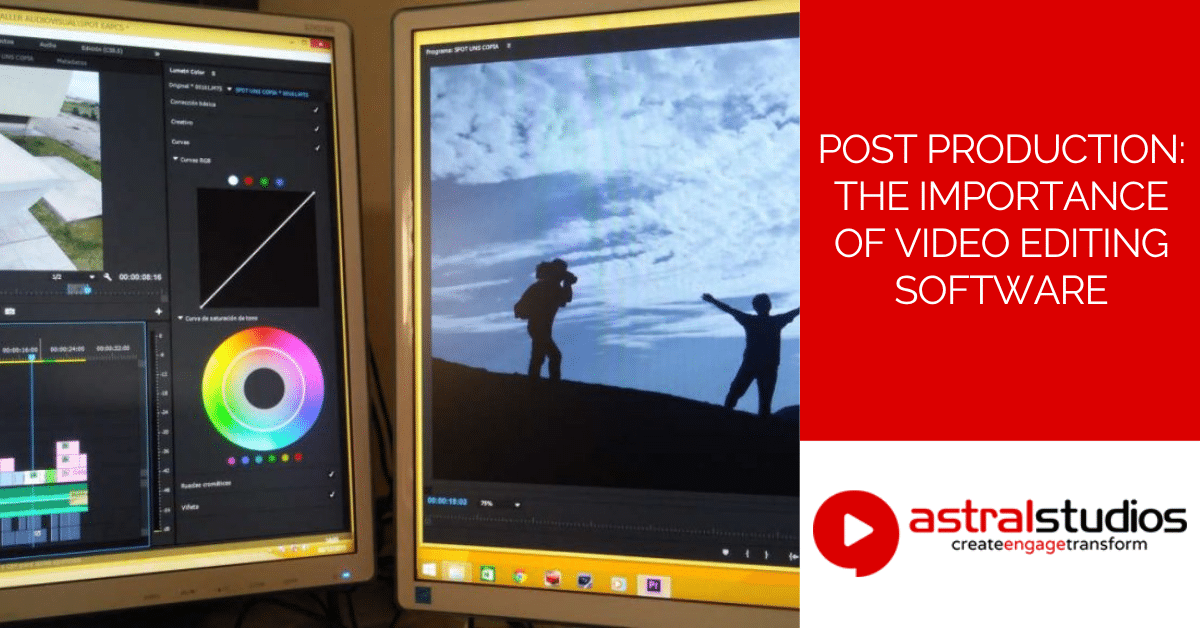
Post Production: The Importance of Video Editing Software
22 December, 2014

