


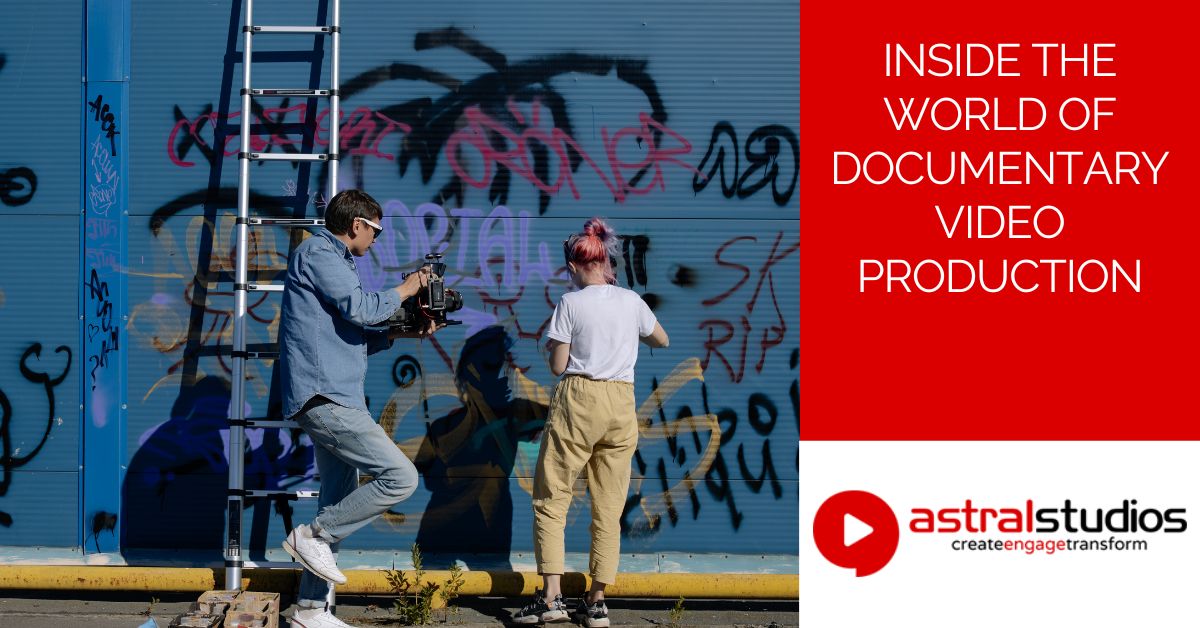
Inside The World Of Documentary Video Production
Last Updated: 2 years ago by Astral Studios Staff
Have you ever found yourself captivated by a documentary film, completely immersed in the story unfolding before your eyes? The world of documentary video production is a fascinating and dynamic realm that allows us to explore diverse topics, challenge our perspectives, and connect with others on a deep level. From uncovering hidden truths to shedding light on pressing social issues, documentaries have the power to educate, entertain, and inspire. In this article, we will delve into the inner workings of documentary video production, offering insights into the artistry behind these thought-provoking films.
Imagine being behind the scenes of an award-winning documentary, witnessing firsthand the meticulous planning and tireless effort that goes into creating a compelling narrative. How do filmmakers craft stories that resonate with audiences across cultures? What drives them to invest months or even years capturing real-life moments and experiences? As viewers, we are often unaware of the intricate process involved in bringing these tales to life ? from researching and interviewing subjects to editing and post-production. Join us as we venture inside this intriguing world where creativity meets storytelling mastery.
In today’s interconnected world, finding a sense of belonging can be challenging amidst overwhelming information overload. We yearn for narratives that touch our hearts and souls while also providing insight into shared human experiences. Documentary videos possess an innate ability to bridge gaps between individuals by fostering empathy and understanding. Through visually captivating imagery, powerful interviews, and compelling narration, documentarians create immersive worlds that invite us all to feel like part of something bigger than ourselves. Whether exploring distant lands or delving into personal triumphs and tribulations closer to home, documentaries offer us a unique opportunity to belong ? not just as passive observers but active participants in shaping our collective consciousness.
Choosing A Documentary Subject
So, you’re interested in creating a documentary? Well, the first step is choosing a subject that will captivate your audience and tell a compelling story. With countless topics to explore, it can be overwhelming to narrow down your options. However, by considering certain factors and following your passion, you can find the perfect subject for your documentary video production.
One interesting statistic reveals that documentaries have gained immense popularity in recent years. In fact, according to a study conducted by Nielsen, viewership of non-fiction programming has increased by 75% since 2012. This surge in interest suggests that audiences are hungry for real stories and crave authenticity in their media consumption. So when selecting a subject for your documentary, keep in mind that there’s an eager audience waiting to connect with your content.
Follow Your Passion
When choosing a documentary subject, it’s crucial to select something you feel passionate about. Documentaries require extensive research, interviews, and filming, so having genuine interest in the topic will fuel your motivation throughout the process. Whether it’s shedding light on an important social issue or exploring an untold personal story, choose a subject that resonates with you emotionally. By doing so, you’ll not only create a more authentic piece but also attract like-minded individuals who share your enthusiasm.
Once you’ve narrowed down potential subjects based on relevance and personal connection, consider the feasibility of each option within the realm of documentary video production. Evaluate whether access to key locations or interviewees is feasible and if there is enough visual material available to support storytelling through visuals. Additionally, think about how much time and resources each project would require – this will help ensure that you can see the project through from start to finish without compromising quality.
Now armed with insights into choosing a documentary subject within the world of video production let’s dive into researching and pre-production strategies for bringing your vision to life!
Documentary Video Production: Research And Pre-Production
Welcome to the fascinating world of documentary video production, where we delve into captivating stories that transport audiences to different worlds and experiences. In this phase of research and pre-production, filmmakers embark on an exhilarating journey of uncovering hidden gems and piecing together the puzzle that will become their documentary masterpiece.
To begin this creative process, documentarians must immerse themselves in extensive research. This involves scouring through archives, conducting interviews with experts, and digging deep into historical records. Through these euphemistic explorations, they unearth valuable nuggets of information that shape the direction of their film.
Once armed with a wealth of knowledge, filmmakers move onto the crucial stage of pre-production. Here, they meticulously plan every aspect of their documentary – from selecting locations and assembling a passionate crew to organizing schedules and securing funding. It’s during this time that the vision for the film truly takes flight as filmmakers breathe life into their ideas and transform them into tangible plans.
With research complete and pre-production underway, our next stop is delving into interview techniques and storytelling strategies. But before we dive into those exciting endeavors, let’s take a moment to appreciate the dedication required in researching and preparing for a documentary project. So grab your notepads because we’re about to explore how skilled documentarians captivate audiences through thought-provoking interviews and compelling narratives.
Interview Techniques And Storytelling
So you’ve done your research and pre-production work, now it’s time to dive into the exciting world of interview techniques and storytelling. This is where the heart of your documentary comes alive, as you capture compelling interviews that tell a captivating story.
First off, let’s talk about interview techniques. One important aspect to remember is creating a comfortable environment for your subjects. Building rapport and trust with them will lead to more authentic and meaningful interviews. Use open-ended questions to encourage thoughtful responses, allowing your subjects to share their experiences in their own words.
Now onto storytelling – this is what truly brings your documentary to life. Think about the narrative arc you want to create and how each interview fits into that larger picture. You’ll need to carefully select which parts of each interview will be included, ensuring they contribute seamlessly to the overall story you’re telling.
By employing effective interview techniques and honing your storytelling skills, you’ll be able to weave together a powerful narrative that captivates your audience. But don’t stop here! The next step in our journey takes us into the realm of cinematography and visual style, where we explore how visuals can enhance the impact of your documentary even further.
Transition: Now that we have covered interview techniques and storytelling, let’s delve into the fascinating world of cinematography and visual style ? where every frame tells a story all on its own.
Cinematography And Visual Style
Welcome to the world of documentary video production, where every frame is a brushstroke on the canvas of reality. Just as a skilled painter carefully selects their colors and techniques to evoke emotion, cinematography and visual style are crucial elements in capturing the essence of a story. In this section, we will explore how these artistic choices can transport viewers into another world.
Cinematography is like the conductor of an orchestra, guiding each instrument to create a symphony of visuals. Every shot is meticulously composed, with angles, lighting, and movement carefully considered to enhance storytelling. Whether it’s capturing sweeping landscapes or intimate close-ups, the camera becomes our window into the lives and experiences of those being documented.
Visual style goes beyond technical aspects; it encompasses the mood and atmosphere that permeate throughout a film. From gritty black-and-white imagery that evokes raw emotions to vibrant colors that ignite joy within us, visual style has the power to shape our perception of reality. By understanding how different choices in framing, color grading, and editing impact an audience’s experience, filmmakers can craft immersive narratives that resonate deeply.
So far, we have delved into interview techniques and storytelling as well as explored cinematography and visual style. These two pillars lay the foundation for creating compelling documentaries that captivate audiences from start to finish. But there’s still one more step left in bringing these stories to life: post-production and editing. Let’s now venture into this final frontier where raw footage transforms into polished masterpieces through careful crafting and seamless transitions.
Post Production And Editing
Welcome to the captivating world of documentary video production! In our previous discussion, we explored the importance of cinematography and visual style in creating a compelling narrative. Now, let’s delve into the equally crucial realm of post-production and editing, where all the puzzle pieces come together.
Once the footage has been captured on camera, it is time for the magic to happen behind the scenes. Post-production involves meticulously sifting through hours of raw footage to select the best moments that will make up the final product. This process requires a keen eye for detail as editors must consider factors such as pacing, continuity, and storytelling coherence.
Creating A Cohesive Story
Editing serves as a powerful tool in shaping how an audience perceives a documentary. By strategically arranging shots and crafting seamless transitions, editors guide viewers through an emotional journey. They have the ability to heighten tension or evoke empathy by manipulating timing and juxtapositions. Through skillful editing techniques, they transform disjointed clips into a cohesive story that captivates audiences from start to finish.
As you can see, post-production and editing are vital components in bringing a documentary to life. It is here where creativity meets technical expertise to create a finished product that resonates with viewers on a deeper level. So next time you find yourself engrossed in a thought-provoking documentary, remember that its power lies not only in what was filmed but also in the careful craftmanship behind-the-scenes ? where stories truly come alive.
Immerse yourself further into this fascinating world by exploring other aspects such as sound design or color grading. The possibilities are endless when it comes to honing your skills in documentary video production. Whether you’re capturing breathtaking visuals or perfecting each frame during post-production, there’s always room for growth and innovation within this ever-evolving field. So join us on this exhilarating adventure and discover your own unique voice within the world of documentaries!
Frequently Asked Questions
What Equipment Is Typically Used In Documentary Video Production?
Step inside the captivating world of documentary video production, where stories come to life through the lens of a camera. One question that often arises is: what equipment is typically used in this fascinating craft? Well, let’s dive right into it and explore the tools of the trade.
First and foremost, every documentary filmmaker relies on a high-quality camera to capture the essence of their subject. From DSLRs to professional-grade cinema cameras, these devices become an extension of the filmmaker’s vision. With advancements in technology, filmmakers can now shoot stunning footage with smaller, more portable cameras without compromising on image quality.
Additionally, lenses play a crucial role in capturing different perspectives and adding depth to shots. Wide-angle lenses allow for sweeping landscapes or immersive shots within confined spaces. On the other hand, telephoto lenses bring distant subjects up close and personal, making viewers feel as if they are part of the action. The choice of lens depends on the desired effect and storytelling approach employed by the filmmaker.
In tandem with cameras and lenses, audio equipment holds paramount importance in documentary video production. Clear and crisp sound is essential for immersing audiences in the story being told. Microphones such as shotgun mics or lavaliers help capture dialogue while minimizing background noise. Furthermore, external recorders ensure high-quality audio recordings that sync seamlessly with visual footage during post-production.
Conduits For Storytelling Magic
As we journey deeper into the realm of documentary video production, one thing becomes clear: the tools used by filmmakers serve as conduits for storytelling magic. Cameras paint vivid images onto screens; lenses provide unique perspectives; audio equipment captures emotions hidden within words spoken aloud. Together, these elements create powerful narratives that transport us beyond our own lives and foster a sense of belonging in this vast tapestry of human experience.
So next time you find yourself engrossed in a compelling documentary film, take a moment to appreciate not only its content but also the artistry behind it, the careful selection and utilization of equipment that brings stories to life. Through this shared appreciation, we forge a connection with the filmmakers and the subjects they portray, reminding us that we are all part of a greater narrative unfolding before our eyes.
How Do Documentary Filmmakers Approach Obtaining Necessary Permits And Releases?
Documentary filmmakers understand the importance of obtaining necessary permits and releases to ensure their work is legally compliant. This process involves careful planning, research, and communication with various individuals and organizations.
Firstly, filmmakers must identify the specific permits required for their documentary project. These may include location permits, which grant access to film in certain areas or buildings, or special permits for filming events or public spaces. Researching local laws and regulations is crucial to avoid any legal issues during production.
Secondly, filmmakers need to obtain releases from the individuals featured in their documentaries. This means securing written consent from people who appear on camera, including interviewees and subjects of observational footage. Release forms outline how the footage will be used and give permission for its inclusion in the final documentary.
Lastly, effective communication is key throughout this process. Filmmakers often need to reach out to government agencies, property owners, event organizers, and potential interviewees to request permits or releases. Building relationships based on trust and respect can help streamline these interactions and increase the chances of obtaining necessary permissions.
In summary,
- Identifying specific permits required
- Location permits
- Special event permits
- Obtaining releases from individuals featured in the documentary
- Written consent from interviewees
- Permission for inclusion in the final product
- Effective communication with relevant parties
- Government agencies
- Property owners
- Event organizers
By following these steps diligently and respecting legal requirements, documentary filmmakers can navigate through the complex process of obtaining necessary permits and releases smoothly. As they strive to capture real-life stories authentically, having all proper documentation ensures that their work remains credible while minimizing any potential legal challenges along the way.
What Are Some Common Challenges Faced During The Documentary Video Production Process?
What are some common challenges faced during the production process?
Documentary video production is a complex and challenging endeavor that requires filmmakers to navigate various obstacles throughout the production process. From securing funding and obtaining necessary permits to capturing compelling footage and editing it into a cohesive narrative, there are numerous hurdles that filmmakers must overcome to bring their vision to life.
One of the most common challenges faced by documentary filmmakers is gaining access to subjects or locations. Unlike scripted films, where actors can be hired and sets can be constructed, documentaries often rely on real people and real places. This means that filmmakers must convince individuals and organizations to participate in their projects, which can be a daunting task. Whether it’s convincing reluctant interviewees to share their stories or persuading government agencies to grant access to restricted areas, this challenge requires diplomacy, persistence, and sometimes even creative solutions.
Unexpected Events
Another significant challenge in documentary video production is dealing with unexpected events or circumstances. Documentaries aim to capture reality as it unfolds, but life doesn’t always go according to plan. Filmmakers may encounter technical difficulties with equipment, face adverse weather conditions during outdoor shoots, or stumble upon unforeseen conflicts within their subjects’ lives. These unexpected challenges require adaptability and quick thinking on the part of the filmmaker to ensure that they can still capture meaningful footage despite the setbacks.
In addition to these specific challenges, there are also more general pressures inherent in the documentary filmmaking process. Tight budgets, limited resources, and tight deadlines all contribute to an environment of high stakes and intense pressure for filmmakers. However, it is precisely these constraints that often push documentarians to think creatively and produce remarkable work.
To succeed in documentary video production, filmmakers must embrace these challenges as opportunities for growth rather than roadblocks. By tackling access issues head-on, finding innovative ways around unexpected obstacles, and using limitations as a catalyst for creativity, documentarians create captivating films that provide audiences with unique perspectives on our world.
Documentary filmmakers face a multitude of ethical considerations when portraying real-life subjects. As they navigate these challenges, they must constantly grapple with questions surrounding privacy, consent, and the potential for exploitation. In order to strike a balance between telling a compelling story and treating their subjects ethically, documentary filmmakers employ various strategies.
Firstly, one common approach is to establish clear communication and trust with the subjects involved in the film. This involves open dialogue about the goals of the project and obtaining informed consent from participants. Filmmakers strive to ensure that those being filmed fully understand how their stories will be portrayed and have agency over their own narratives.
Additionally, many documentarians choose to adopt an observational or fly-on-the-wall filming style. By minimizing interference or manipulation during filming, filmmakers aim to present authentic portrayals of their subjects? lives without exploiting them for dramatic effect. This allows viewers to form genuine connections with the individuals on screen while still respecting their privacy.
Ultimately, navigating ethical considerations in documentary filmmaking requires careful thought and consideration throughout every stage of production. From initial research and planning to post-production editing decisions, filmmakers must continually evaluate whether their choices uphold ethical standards. By prioritizing transparency, respect, and empathy towards real-life subjects, documentarians can create powerful films that both captivate audiences and honor the humanity of those depicted on screen.
Prioritize Ethics
As documentary filmmakers delve into the world of real-life storytelling, they are faced with numerous ethical dilemmas along the way. Considerations surrounding privacy, consent, and potential exploitation must be carefully navigated in order to represent real-life subjects responsibly. Establishing trust through open communication is crucial for ensuring that participants fully understand how their stories will be portrayed in the final product. Adopting an observational filming style helps maintain authenticity while minimizing manipulation. Throughout every step of production, it is essential for documentarians to prioritize ethics by making conscious choices that protect the dignity of those involved.
Ethical decision-making in documentary video production is a complex and ongoing process. From start to finish, filmmakers must carefully consider the impact of their choices on real-life subjects. By establishing open lines of communication, obtaining informed consent, and adopting an observational approach, documentarians strive to create films that accurately portray individuals’ lives without exploiting them for entertainment purposes. This delicate balance between storytelling and ethical responsibility ultimately ensures that documentaries resonate with audiences while honoring the humanity of those depicted.
Are There Any Legal Implications Or Copyright Concerns That Documentary Filmmakers Need To Be Aware Of?
You may be wondering, are there any legal implications or copyright concerns that documentary filmmakers need to be aware of? The answer is yes. While the focus of documentary filmmaking is often on capturing real-life subjects and their stories, it’s important for filmmakers to navigate the complex world of legalities and copyrights.
First and foremost, documentary filmmakers must ensure they have the appropriate permissions and releases from the individuals featured in their films. This includes obtaining signed consent forms that allow them to use someone’s likeness, voice recordings, or personal information. Without these releases, a filmmaker could potentially face legal consequences if a subject later claims their rights were violated.
Additionally, when making documentaries, it’s crucial for filmmakers to take into account any potential copyright infringement issues. This means being mindful of using copyrighted material such as music, images, or video clips without proper licensing or permission. Using copyrighted content without authorization can result in legal action against the filmmaker and potentially halt distribution or screenings of the film.
While navigating these legal implications and copyright concerns may seem daunting at times, it is essential for documentary filmmakers to respect both ethical considerations and adhere to legal requirements. By doing so, they not only protect themselves legally but also maintain the integrity of their work by ensuring they have obtained all necessary permissions and licenses needed to bring their vision to life.
By understanding the importance of addressing legal implications and copyright concerns in documentary filmmaking, we can appreciate the dedication that goes into creating thought-provoking and impactful documentaries while respecting both ethical boundaries and intellectual property rights. These considerations add depth and credibility to documentary storytelling while allowing filmmakers to share powerful narratives with audiences around the world.
Conclusion
In conclusion, delving into the world of documentary video production is an exhilarating and rewarding experience. It requires a combination of passion, dedication, and technical expertise to bring compelling stories to life on screen. Throughout this article, we have explored the various aspects involved in creating a successful documentary.
Choosing a subject is like embarking on a treasure hunt, where each story holds the potential for discovery and enlightenment. Just like stumbling upon a hidden gem while exploring unfamiliar terrain, finding the right subject can lead to powerful narratives that resonate with audiences.
Researching and preparing for a documentary is akin to building the foundation of a house. Without thorough research, interviews, and pre-production planning, even the most captivating subject may fall flat. It’s essential to gather all necessary information before starting filming – just as builders meticulously examine blueprints before laying bricks.
Painting A Masterpiece
The process of cinematography and visual style is comparable to painting a masterpiece. By carefully selecting camera angles, lighting techniques, and framing shots artistically, filmmakers are able to create visually stunning documentaries that captivate viewers’ eyes much like an exquisite painting draws one closer.
Lastly, post-production editing acts as the final brushstroke on our artistic canvas. It allows us to refine the narrative structure, add music or sound effects that evoke emotions within viewers – similar to how an author sprinkles final touches onto their manuscript before it reaches readers’ hands.
As I reflect on my own journey through documentary video production, I am reminded of climbing uphill towards breathtaking panoramic views atop mountainsides. The path was challenging at times but filled with awe-inspiring moments that made every step worthwhile.
So whether you’re considering venturing into this realm yourself or simply appreciate the art form from afar, remember that documentary video production offers endless possibilities for storytelling and exploration ? inviting both creators and viewers alike into worlds they might never otherwise encounter.

